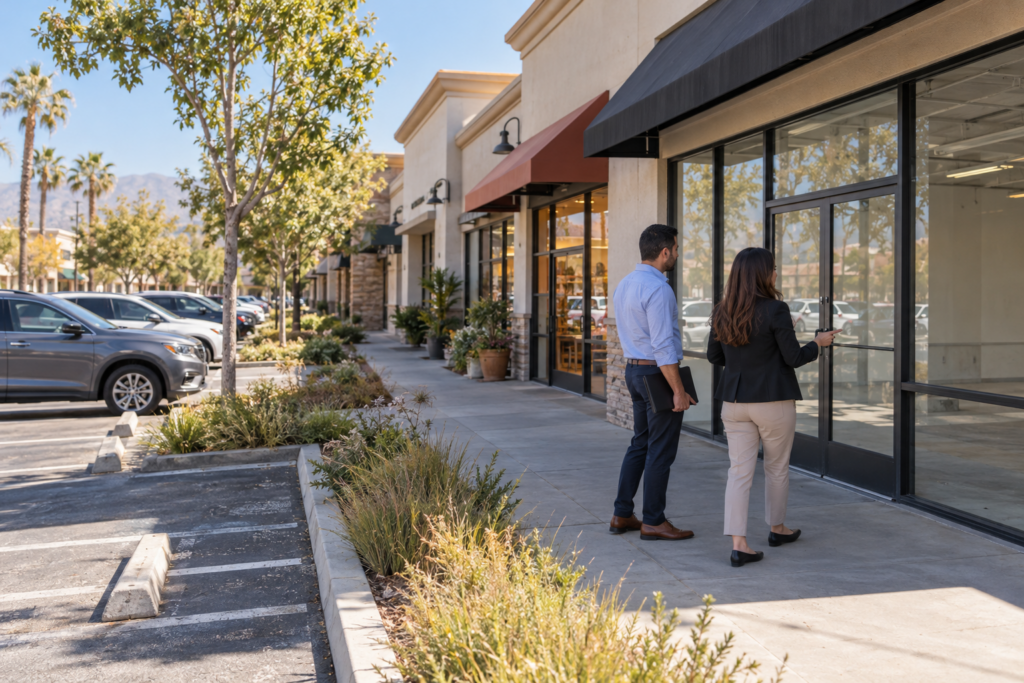
A retail property can look like a straightforward investment: acquire a well-located center, lease the storefronts, collect rent, and maintain the buildings. Yet the responsibilities behind consistent performance extend far beyond occupancy. A crowded parking lot does not necessarily mean strong collections, and a fully leased center can still face expensive maintenance, tenant conflicts, or unfavorable lease obligations.
At IPA Commercial Real Estate, we approach retail property management as a coordinated effort to protect income, support tenants, and strengthen the asset over time. Our experience in the Inland Empire helps us connect leasing decisions with daily operations and long-term investment goals. Understanding the challenges investors commonly underestimate is the first step toward managing them effectively.
A Full Property Is Not Always a Healthy Tenant Mix
Investors understandably want to fill vacant suites quickly. However, accepting a tenant solely because the business can pay the asking rent may create problems elsewhere in the center. A restaurant may require substantial parking during the same hours as a neighboring fitness studio. Another business may need frequent deliveries, extensive utility capacity, or customer access that the existing layout cannot comfortably accommodate.
At IPA Commercial, our comprehensive leasing and co-tenancy approach considers how businesses function together. We evaluate proposed uses, operating hours, parking demands, existing lease restrictions, and the fit between a tenant and the surrounding customer base. Effective commercial property leasing supports the center as a whole rather than treating each storefront as an isolated transaction.
Tenant mix also affects exposure to business downturns. Several tenants serving the same narrow customer segment may struggle simultaneously when local spending patterns change. We help owners consider complementary uses and practical operating needs while pursuing leasing opportunities that support the long-term potential of the property.
Lease Details Can Change the Economics of Ownership
A retail lease is more than a rent amount and an expiration date. Maintenance responsibilities, renewal options, expense exclusions, signage rights, and permitted uses can substantially affect the owner’s obligations. Co-tenancy clauses may give a tenant specific remedies if an anchor closes or occupancy falls below an agreed threshold. Those remedies depend on the actual lease language and should never be assumed.
This is why careful commercial lease management matters after the agreement is signed. IPA Commercial helps owners organize lease requirements, track deadlines, and coordinate operating decisions with the obligations already in place. When interpretation or disputes require legal guidance, coordination with qualified counsel helps prevent an operational decision from creating an avoidable contractual problem.
Lease administration also requires consistency. Allowing one tenant to expand into common areas without reviewing the agreement can interfere with another tenant’s access or rights. Missing an option notice or overlooking an expense limitation can affect future income. We connect lease information with ongoing management so important provisions remain visible throughout the tenancy.
Shared Expenses Require More Than Simple Division
Common area maintenance expenses can become a source of friction even when tenants understand that shared costs are part of the lease. Landscaping, parking lot repairs, lighting, cleaning, and other services must be budgeted, documented, and allocated according to each agreement. Different leases may contain different caps, exclusions, or calculation methods, making a uniform charge inappropriate.
At IPA Commercial Real Estate, detailed reporting supports transparent commercial property accounting services. We emphasize accurate records, organized invoices, and clear explanations of operating costs. Owners need to understand both what the property spends and what the leases allow the property to recover. An expense can be necessary without being fully reimbursable.
Consider a center where one tenant’s lease excludes certain capital expenditures while another permits specified recovery over time. The same project may require different treatment for each tenant. Careful administration helps owners avoid overstating expected reimbursements, issuing confusing reconciliations, or discovering unrecoverable costs after the work has been completed.
Customer Experience Depends on Everyday Maintenance
Retail tenants rely on a property that customers can navigate comfortably. Faded parking markings, uneven walkways, poor lighting, overflowing waste areas, and neglected landscaping can undermine that experience. Individually, these issues may appear minor. Together, they can make a center feel inconvenient or poorly managed and give tenants another reason to question the location.
Our approach to commercial property maintenance connects physical condition with business operations. IPA Commercial brings together property managers, service technicians, consultants, and vendors to coordinate inspections, repairs, and ongoing upkeep. We consider when work should occur, how customers will reach storefronts, and what tenants need to know before service begins.
Building systems deserve the same attention. ENERGY STAR’s operation and maintenance guidance explains how appropriate equipment tuning, operating schedules, and periodic checks can reduce energy use and operating costs. At a retail property, maintenance planning should also account for different tenant hours and the responsibilities assigned in each lease.
Accessibility and Site Operations Need Ongoing Attention
A retail center welcomes a changing stream of customers, employees, delivery drivers, and service providers. Accessible routes, entrances, parking areas, and common spaces require ongoing attention. Even a property with designated accessible features can develop problems when merchandise, temporary signs, landscaping, or repair work obstructs the route customers need to use.
The U.S. Department of Justice’s ADA primer for small businesses explains that removing architectural barriers in existing facilities is required when readily achievable. Its Title III technical assistance manual also explains that landlords and tenants retain applicable responsibilities even when their lease allocates compliance tasks between them.
IPA Commercial helps owners coordinate site observations, communicate concerns, and arrange appropriate professional evaluation when needed. Effective retail building management also addresses practical conflicts such as delivery vehicles blocking circulation, waste pickups interfering with customers, or outdoor displays narrowing walkways. Resolving these recurring issues helps preserve access and orderly operations throughout the center.
Tenant Turnover Costs More Than Lost Rent
When a retail tenant leaves, the financial impact can extend well beyond the vacancy period. Owners may face cleaning, repairs, leasing expenses, negotiated improvements, and months of carrying costs before a replacement begins paying rent. A space built for one specialized use may require substantial changes before another business can occupy it.
At IPA Commercial, tenant retention begins with dependable management throughout the relationship. Responsive communication, follow-through on maintenance, and clear handling of property concerns help owners address preventable frustrations. We also help evaluate renewal opportunities early enough to compare retaining an existing business with the cost and uncertainty of replacing it.
Retention does not mean agreeing to every request. An effective commercial property lease renewal should consider payment history, market conditions, proposed terms, and the tenant’s fit within the property. Our brokerage and management experience helps owners weigh those factors together, rather than pursuing a higher advertised rent without considering the total transition cost.
Financial Reporting Must Explain What Comes Next
A monthly statement shows what happened, but investors also need to understand what may happen next. Several leases expiring within a short period, aging equipment, rising service costs, or overdue balances can affect future cash flow even when current income appears stable. Routine reporting becomes more valuable when it identifies those developing pressures.
IPA Commercial’s comprehensive property management system supports detailed and accurate management reporting. We help owners connect income and expenses with leasing activity, maintenance priorities, and the condition of the asset. This supports more informed decisions about reserves, planned improvements, and the timing of larger expenditures.
For commercial real estate investors, the distinction between operating performance and available cash matters. A substantial capital project can reduce cash available for distributions even when it is accounted for separately from ordinary operating expenses. Coordinating budgets with anticipated work helps owners prepare for commitments instead of treating every major expense as an unexpected event.
Frequently Asked Questions
Retail ownership combines leasing, financial oversight, and daily operational responsibilities. These questions highlight how professional property management for commercial properties helps investors address challenges before they become larger problems.
Does a Triple Net Lease Eliminate the Need for Property Management?
No. A triple net lease assigns specified expenses to the tenant, but the details vary by agreement. Owners still need oversight of payment obligations, property condition, lease deadlines, and responsibilities that remain with ownership. IPA Commercial helps coordinate those requirements so expense reimbursement does not become a substitute for active management.
Why Does Tenant Mix Matter If Every Tenant Pays Rent?
Tenants share parking, access, visibility, and the overall identity of the center. Conflicting uses can create congestion or disputes, while complementary businesses may give customers more reasons to visit. We evaluate tenant fit alongside lease terms and operational demands to help owners pursue occupancy that supports the entire property.
Can Professional Management Help Reduce Tenant Turnover?
Professional management can address preventable reasons for dissatisfaction, including unresolved repairs, unclear charges, and inconsistent communication. It cannot eliminate changes in a tenant’s business or guarantee renewals. IPA Commercial combines attentive service with early renewal planning so owners can evaluate their options before an approaching expiration becomes an urgent vacancy problem.
What Should Investors Look for in a Retail Property Manager?
Look for retail leasing knowledge, organized expense administration, reliable maintenance coordination, and reporting that supports decisions. Local market understanding also matters. Our approach to commercial property management in the Inland Empire connects those responsibilities through an integrated team focused on the owner’s long-term interests.
Why Choose IPA Commercial Real Estate
IPA Commercial Real Estate is a full-service brokerage, management, and consulting firm with extensive knowledge across the real estate industry. IPA and our principals have worked in the Inland Empire commercial real estate market for 30 years. Our background includes brokerage, asset management, facility and property management, and development, giving us a broad perspective on retail ownership.
We provide professional property and facility management through an integrated team of property managers, service technicians, consultants, and vendors. Our philosophy emphasizes comprehensive leasing and co-tenancy planning, diligent attention to property appearance and condition, and detailed management reporting. We work to create value while maximizing the long-term potential of each individual asset.
Whether you own one retail property or manage a larger portfolio, we provide close individual attention to your commercial real estate needs. IPA Commercial builds long-term client relationships through ethical service, trustworthiness, and a consistent focus on ownership interests throughout the Inland Empire and Southern California.
To discuss your retail property, call 951-686-1462, Ext. 7 for Property Management or 951-686-1462, Ext. 2 for Brokerage and Leasing. Email info@ipacommercial.com to connect with our team and explore how coordinated management can support your investment.