Simple Feed
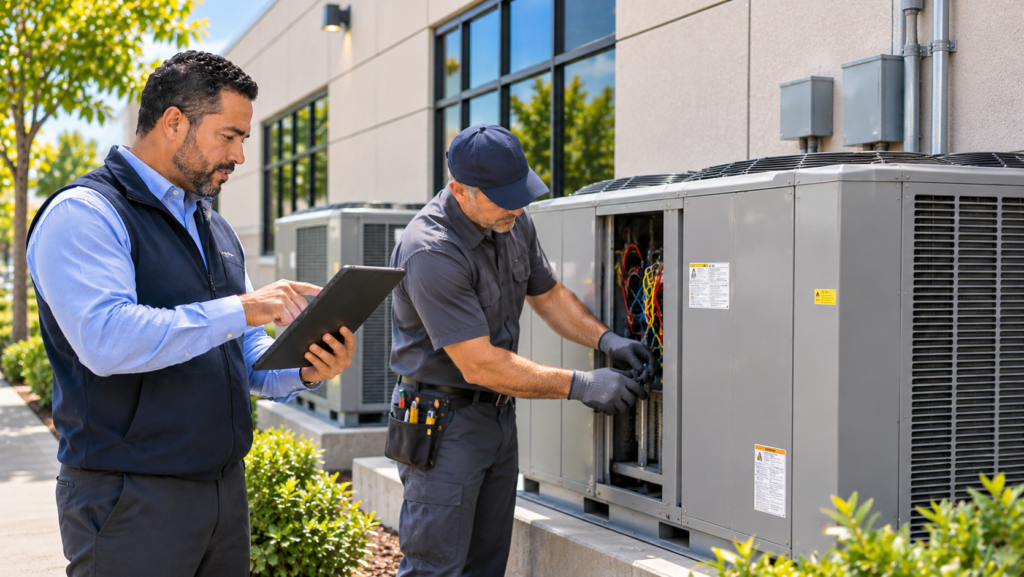
Owning commercial real estate involves far more than purchasing a building, securing tenants, and collecting monthly rent. Behind every successful office building, retail center, industrial facility, or mixed-use property is an ongoing process of maintaining the asset, managing expenses, supporting tenants, and protecting its long-term financial performance. Without consistent oversight, even a well-located property with reliable tenants can experience operational problems that gradually reduce its profitability.
This is where professional commercial property management makes a significant difference. At IPA Commercial Real Estate, we understand that managing a property means taking responsibility for the many details that influence its condition, financial stability, and overall value. With 30 years of experience in the Inland Empire commercial real estate market, our team provides comprehensive management services that extend well beyond traditional rent collection.
For commercial property owners and investors, understanding what a property manager actually does can help clarify the value of professional oversight and the role it plays in protecting a real estate investment.
Commercial Property Management Is About Protecting the Entire Investment
A commercial property manager serves as the connection between property ownership, tenants, service providers, and the day-to-day operation of the building. While rent collection and lease administration are important responsibilities, they represent only a portion of the work involved. Effective management requires ongoing attention to the property’s physical condition, operating expenses, tenant relationships, and financial performance.
At IPA Commercial Real Estate, we approach property management for commercial properties as an integrated service rather than a collection of unrelated tasks. Our professional property managers, service technicians, consultants, and vendors work together to address operational needs while keeping ownership objectives in focus. This coordination helps ensure that decisions about maintenance, leasing, and expenditures support the property’s long-term potential.
Commercial properties also have different management requirements depending on their intended use. A retail center with multiple tenants may require careful coordination of common areas and shared expenses, while an industrial facility may have specialized maintenance and operational considerations. Our experience with Inland Empire commercial property management allows us to develop strategies appropriate for each property’s characteristics and ownership goals.
Overseeing Property Maintenance and Building Conditions
One of the most important responsibilities of a commercial property manager is keeping the building and surrounding grounds in good condition. This involves more than responding when something breaks. It requires routine inspections, preventative maintenance planning, vendor coordination, and attention to conditions that could become more expensive if neglected.
At IPA Commercial, we emphasize diligent oversight of each property’s physical appearance and condition. Our management team coordinates maintenance activities involving building systems, roofing, parking areas, landscaping, lighting, and other shared facilities. By identifying potential concerns early, we help owners address issues before they develop into major repairs or operational disruptions.
A structured commercial property maintenance program can also support better financial planning. Although maintenance needs vary by building, the underlying principle applies across commercial properties: consistent care can reduce avoidable equipment problems and support more predictable operating costs.
Managing Operating Expenses and Vendor Performance
Commercial buildings generate numerous operating expenses, including utilities, repairs, landscaping, cleaning, security, insurance, and contracted services. Without careful monitoring, these expenses can increase gradually, reducing the income available to property owners. A commercial property manager helps maintain financial discipline by reviewing expenditures, coordinating services, and identifying opportunities for greater efficiency.
IPA Commercial Real Estate works with service technicians, consultants, and vendors to coordinate property services and evaluate ongoing operational needs. Our role includes helping owners understand where their money is going, whether services are meeting expectations, and where adjustments may be appropriate. The objective is not simply to minimize spending, but to ensure expenditures contribute to the property’s condition, functionality, and long-term value.
Energy consumption is one area where management decisions can influence expenses. The ENERGY STAR program for commercial buildings provides guidance on benchmarking and improving building energy performance. By evaluating utility usage alongside other operating costs, property managers can identify areas that deserve closer attention without compromising tenant comfort or building operations.
Supporting Tenants and Managing Lease Responsibilities
A commercial property manager also plays an important role in maintaining productive relationships with tenants. Businesses depend on their leased spaces to operate efficiently, and unresolved property concerns can interfere with daily activities. Clear communication, timely responses, and consistent enforcement of lease obligations help create a more stable environment for tenants and owners alike.
At IPA Commercial, we prioritize professional tenant communication and responsive property oversight. Our management team addresses maintenance requests, coordinates access for necessary work, and helps resolve operational concerns. We also monitor responsibilities established in lease agreements, including maintenance obligations, shared-area provisions, and other requirements affecting property operations.
Our management philosophy emphasizes a comprehensive leasing and co-tenancy program. This is especially important in multi-tenant commercial properties, where the needs of individual businesses must be considered alongside the interests of the entire property. Effective commercial leasing and property management helps reduce unnecessary conflicts and supports an environment where tenants can operate successfully.
Providing Financial Reporting and Performance Oversight
Commercial property owners need accurate information to evaluate whether their investments are performing as expected. Rent payments alone do not provide a complete financial picture. Owners must also understand operating costs, outstanding receivables, maintenance expenditures, budget performance, and the relationship between income and expenses.
IPA Commercial Real Estate emphasizes detailed and accurate management reporting as a central part of our services. Our comprehensive property management system supports the organization and tracking of information that owners need to make informed decisions. Regular reporting provides greater visibility into property operations and helps identify financial patterns that might otherwise go unnoticed.
An important consideration is net operating income (NOI), which generally represents property operating income minus operating expenses, before debt service and certain other costs. By monitoring the factors affecting NOI, our team helps owners evaluate financial performance and identify opportunities to strengthen the asset. Accurate reporting also supports budgeting, investment planning, and discussions about future improvements.
Coordinating Leasing, Occupancy, and Long-Term Tenant Retention
Vacant commercial space can create significant financial pressure. Beyond the immediate loss of rental income, owners may face marketing expenses, leasing commissions, tenant improvements, and additional carrying costs. A property manager contributes to occupancy stability by monitoring lease activity, maintaining tenant relationships, and coordinating with leasing professionals when appropriate.
IPA Commercial offers an advantage through our combined experience in property management and commercial brokerage. Our management and leasing capabilities allow us to consider how operational decisions affect marketability and tenant satisfaction. Maintaining attractive common areas, addressing recurring concerns, and understanding tenant needs can contribute to a stronger leasing environment.
Our knowledge of the Inland Empire commercial real estate market also helps us recognize changing business needs and local market conditions. While no management strategy can eliminate vacancies, proactive oversight and communication can improve a property’s competitive position and help owners prepare for upcoming leasing decisions.
Planning Improvements and Protecting Long-Term Property Value
Commercial property management also involves looking beyond immediate operational needs. Buildings age, tenant expectations change, and certain components eventually require replacement. A property manager helps owners distinguish between routine maintenance, necessary capital improvements, and upgrades that may improve a property’s competitiveness.
At IPA Commercial Real Estate, we consider improvements in the context of the owner’s investment objectives. Replacing deteriorating pavement, modernizing common-area lighting, or addressing aging mechanical equipment may protect functionality and tenant satisfaction. However, improvements should also be evaluated against their cost, expected benefits, and relevance to the property’s market.
This approach reflects our broader experience in commercial real estate asset management, facility management, brokerage, and development. We understand that maximizing property value does not always mean spending more. Often, it means making informed decisions about where resources will produce the greatest long-term benefit.
Managing Risk, Safety, and Property Responsibilities
Commercial property owners must also consider conditions that could create safety concerns, operational interruptions, or liability exposure. While legal compliance involves responsibilities shared among owners, tenants, and qualified professionals, property managers play an important coordinating role in identifying concerns and arranging appropriate corrective work.
IPA Commercial’s management team monitors property conditions and works with qualified service providers when repairs or specialized evaluations are needed. Potential concerns may include damaged walkways, inadequate exterior lighting, drainage problems, or deteriorating common areas.
We also recognize that effective risk management depends on documentation and communication. Maintaining service records, tracking reported concerns, and coordinating timely responses helps establish a more organized approach to property operations. These practices support ownership oversight while helping protect the property’s usability and reputation.
Frequently Asked Questions About Commercial Property Management
Commercial property owners often have questions about how management arrangements work and what to expect when partnering with a professional firm. The following considerations can help clarify several practical aspects of the relationship.
Can a commercial property owner remain involved in management decisions?
Absolutely. Professional property management does not require owners to surrender control over important investment decisions. Management agreements can establish spending limits, approval procedures, reporting expectations, and the types of decisions requiring direct owner authorization. At IPA Commercial, we work to understand each client’s preferred level of involvement and provide the information necessary for meaningful oversight.
When should an owner consider hiring a commercial property manager?
There is no universal property size or tenant count that determines when professional management becomes appropriate. Owners may benefit from assistance when operational responsibilities become time-consuming, properties require specialized oversight, or an investment portfolio expands. Owners who live outside the property’s immediate market may also value having an experienced local management team available to coordinate ongoing needs.
How is a commercial property management agreement structured?
Management agreements typically define the services provided, management fees, responsibilities, authorization limits, reporting requirements, and procedures for ending the relationship. The specific terms depend on the property and scope of services. Before entering an agreement, owners should understand which responsibilities are included and whether certain services require additional authorization or compensation.
Can one management company oversee several different commercial properties?
Yes. A professional management company may oversee multiple properties with different uses, tenant arrangements, and operational requirements. However, each asset should receive attention appropriate to its individual needs. IPA Commercial Real Estate works with individual investors, investment groups, corporations, and entities with larger commercial real estate portfolios, providing coordinated oversight while recognizing that every property has distinct objectives.
Why Choose IPA Commercial Real Estate
Successful commercial property ownership requires more than collecting rent and responding to occasional maintenance requests. It requires experienced professionals who understand how building operations, tenant relationships, financial reporting, and long-term investment objectives work together. At IPA Commercial Real Estate, we provide comprehensive commercial property management services designed to protect existing value while identifying opportunities to create additional value.
With 30 years of experience in the Inland Empire commercial real estate market, IPA Commercial Real Estate brings extensive local knowledge and a broad understanding of brokerage, asset management, facility management, and development. Our integrated team of professional property managers, service technicians, consultants, and vendors provides the coordinated support necessary to manage commercial properties effectively. We tailor our approach to each asset rather than relying on a one-size-fits-all management strategy.
Our reputation throughout the Inland Empire is built on ethical business practices, trustworthiness, personalized attention, and long-term client relationships. Whether you own a single commercial property or manage a substantial investment portfolio, our goal is to help you maintain strong property performance, make informed decisions, and maximize the long-term potential of your real estate investments.
If you are looking for experienced commercial property management in the Inland Empire or throughout Southern California, contact IPA Commercial Real Estate to discuss your property’s needs. Call our Property Management team at 951-686-1462, Ext. 7, or reach our Brokerage and Leasing team at 951-686-1462, Ext. 2.
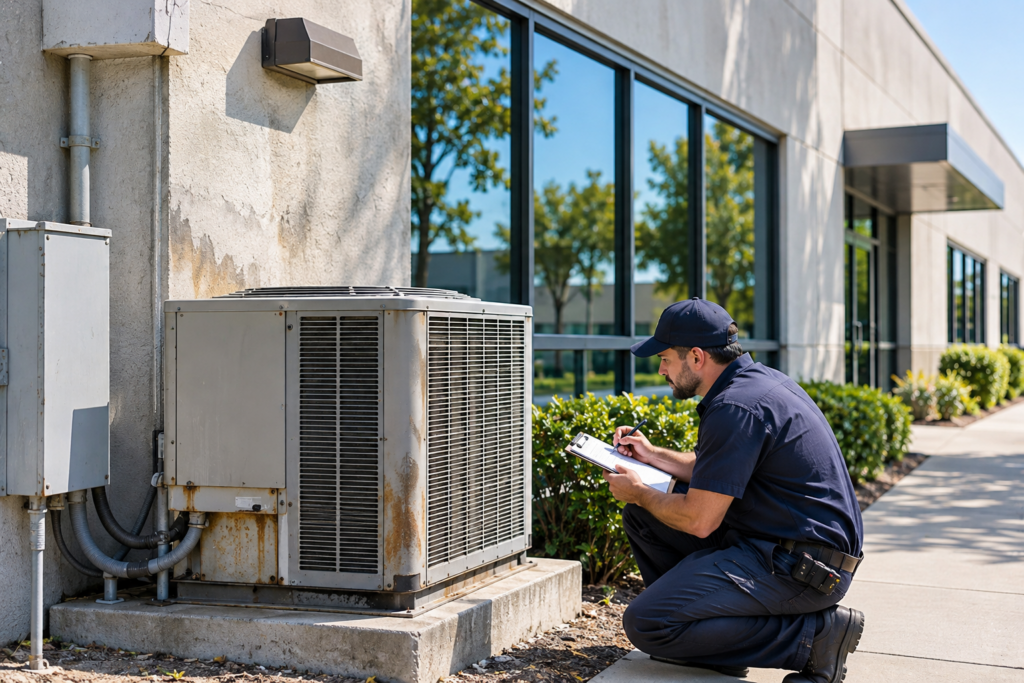
Not every problem affecting a commercial property’s performance is immediately obvious. Some of the most expensive issues develop gradually, hidden within everyday operations. A maintenance request that takes longer than expected, an operating expense that increases slightly each year, or a tenant concern that goes unresolved may seem insignificant individually. Over time, however, these small problems can reduce profitability, weaken tenant relationships, and diminish property value.
For commercial property owners and investors, the challenge is recognizing these operational weaknesses before they become costly. A building may appear well-maintained, maintain reasonable occupancy, and generate consistent rental income while still operating below its financial potential. Without effective commercial property management, opportunities to improve efficiency and protect long-term returns can easily go unnoticed.
At IPA Commercial Real Estate, we understand that successful property management requires more than responding to visible problems. Our integrated approach combines experienced property managers, service technicians, consultants, vendors, and detailed management reporting to identify operational inefficiencies and address them before they undermine performance. For property owners throughout the Inland Empire and Southern California, this proactive oversight helps protect both current income and long-term asset value.
Small Maintenance Issues That Gradually Become Expensive
One of the most common operational weaknesses in commercial building management is the tendency to postpone minor maintenance. A small roof leak, deteriorating exterior sealant, inconsistent HVAC performance, or a drainage issue may not initially justify urgent attention. However, these conditions rarely improve without intervention. What begins as an inexpensive repair can eventually require substantial corrective work.
Deferred maintenance also creates secondary expenses. An inefficient HVAC system may increase utility consumption, place additional stress on equipment, and generate tenant complaints. Minor water intrusion can damage interior finishes or interrupt business operations. Even seemingly cosmetic problems, such as worn flooring or deteriorating landscaping, can negatively influence how tenants and prospective occupants perceive a property.
At IPA Commercial, we emphasize consistent inspections, preventative maintenance, and coordinated vendor services. Our commercial property maintenance approach focuses on identifying developing conditions, prioritizing repairs, and establishing maintenance schedules appropriate for each asset. Rather than waiting for equipment failure or tenant complaints, we help owners address manageable problems while they remain manageable.
Operating Expenses That Increase Without Enough Scrutiny
Commercial property operating expenses naturally fluctuate. Insurance premiums, utilities, maintenance contracts, landscaping, waste removal, and administrative costs can all change from year to year. The problem develops when these increases become accepted without evaluating whether the property is operating as efficiently as possible.
For example, a property may continue using the same service contracts for years without reviewing pricing or performance. Utility expenses may increase because of equipment inefficiencies rather than higher consumption requirements. Recurring repairs may indicate that replacing a component would be more economical than continuing to maintain it.
The U.S. Department of Energy’s guidance on building operations and maintenance emphasizes the importance of effective maintenance practices in improving equipment reliability and controlling operating costs.
IPA Commercial helps owners evaluate expenses through detailed budgeting, vendor coordination, contract oversight, and financial reporting. Our team examines spending patterns and identifies opportunities to improve efficiency without compromising building condition or tenant satisfaction. Effective commercial property management services should protect the owner’s financial interests while maintaining the quality of the asset.
Tenant Concerns That Slowly Undermine Retention
Tenant dissatisfaction does not always begin with a major dispute. More often, it develops through repeated inconveniences that seem relatively minor from a management perspective. Delayed maintenance responses, inconsistent communication, parking concerns, inadequate lighting, or poorly maintained common areas can gradually influence a tenant’s perception of the property.
These concerns become particularly important as lease expiration approaches. A tenant who has experienced recurring operational frustrations may be less interested in renewing, even when the location and rental rate remain competitive. Losing that tenant can introduce vacancy expenses, leasing commissions, tenant improvement costs, and interruptions in rental income.
At IPA Commercial Real Estate, tenant relationships are an important part of our management philosophy. We prioritize responsive communication, consistent property oversight, and coordinated solutions that support tenant satisfaction. Our comprehensive leasing and co-tenancy approach also considers how individual tenant relationships influence the property’s broader stability.
Strong tenant retention is not simply about keeping spaces occupied. It is about maintaining an environment where businesses can operate effectively and see continued value in remaining at the property.
Inconsistent Property Inspections and Oversight
A commercial building can appear to be operating normally while important conditions gradually deteriorate. Exterior lighting may become unreliable, pavement may develop minor cracks, landscaping may obstruct visibility, or common-area fixtures may show increasing wear. Without regular inspections, these issues can remain unnoticed until they generate complaints or require more expensive repairs.
IPA Commercial incorporates property inspections and facility oversight into our broader commercial property maintenance strategy. Our property managers and service professionals evaluate building conditions, coordinate necessary improvements, and monitor ongoing maintenance needs.
This structured oversight helps owners maintain property appearance, reduce preventable deterioration, and make informed decisions about repairs and improvements.
Poor Financial Reporting That Hides Performance Problems
Property owners cannot effectively manage what they cannot clearly measure. Incomplete financial reporting, inconsistent expense categorization, delayed reconciliations, and limited budget comparisons can make it difficult to understand whether an asset is performing as expected.
A property may continue generating positive cash flow while its net operating income gradually declines. Increasing maintenance expenses, missed rent adjustments, higher vacancy-related costs, or unrecovered operating expenses can weaken profitability without creating an immediate financial crisis.
For investors, these changes matter because net operating income (NOI) is a fundamental measure of commercial property performance. Even relatively small reductions in NOI can influence property valuation, particularly when investors evaluate assets using capitalization rates.
At IPA Commercial, detailed and accurate management reporting is central to our philosophy. Our comprehensive property management system supports expense tracking, budgeting, financial oversight, and performance evaluation. We help owners understand not only what their properties are earning and spending, but also what those figures reveal about future operating decisions.
Lease Administration Details That Affect Revenue
Commercial leases contain numerous provisions that influence property income and operating responsibilities. Rent escalations, renewal options, expense reimbursements, maintenance obligations, and common area maintenance charges all require careful administration.
When these details are overlooked, owners may miss scheduled rent increases, fail to recover eligible expenses, or misunderstand responsibility for certain repairs. Even small administrative inconsistencies can accumulate across multiple tenants or properties.
For example, inaccurate common area maintenance (CAM) reconciliations can create financial discrepancies and tenant disputes. Similarly, overlooking an upcoming renewal deadline may reduce the owner’s ability to negotiate favorable lease terms or prepare for a potential vacancy.
IPA Commercial combines property management expertise with professional brokerage and leasing capabilities. This integrated structure allows us to coordinate operational responsibilities with lease administration and long-term occupancy planning. Our goal is to help owners protect rental income while maintaining clear, professional relationships with tenants.
Reactive Management Instead of Long-Term Asset Planning
Another quiet threat to property performance is managing exclusively around immediate needs. When decisions are driven primarily by emergencies, tenant complaints, or upcoming expenses, owners may lose sight of the property’s longer-term financial objectives.
For example, repeatedly repairing aging equipment may appear less expensive than replacement, but cumulative maintenance costs and operational disruptions can eventually outweigh the initial savings. Likewise, postponing necessary capital improvements may preserve short-term cash flow while making the property less competitive.
Effective commercial asset management requires evaluating these decisions within the context of the property’s age, condition, occupancy, market position, and investment objectives. The objective is not necessarily to spend more, but to allocate resources where they provide meaningful long-term value.
At IPA Commercial Real Estate, our management approach extends beyond daily operations. With experience in brokerage, asset management, facility management, and development, we help owners evaluate how operational decisions affect the broader investment. This perspective supports thoughtful capital planning, stronger financial performance, and opportunities for value creation.
Why Local Market Knowledge Matters to Property Performance
Operational performance does not exist independently of market conditions. Tenant expectations, rental rates, competing properties, development activity, and local economic trends all influence how commercial assets should be managed.
A maintenance or improvement strategy appropriate for one property may not be suitable for another. Industrial facilities, retail centers, and office properties have different operational demands, tenant priorities, and competitive pressures. Understanding these differences helps owners avoid unnecessary spending while identifying improvements that support leasing and retention.
IPA Commercial brings 30 years of experience in the Inland Empire commercial real estate market. Our familiarity with local properties, leasing conditions, and market opportunities allows us to approach commercial property management in the Inland Empire with a practical understanding of what influences property performance.
We use this knowledge to help owners align operational decisions with market expectations and the long-term potential of their individual assets.
Frequently Asked Questions
Commercial property owners often have questions about identifying operational weaknesses and determining when professional management can improve performance. The following answers address several common concerns.
What are the most common hidden problems in commercial property management?
Common problems include deferred maintenance, rising operating expenses, inconsistent inspections, overlooked lease provisions, weak tenant communication, and incomplete financial reporting. These issues may not create immediate disruptions, but they can gradually reduce profitability and property value. Professional management helps identify patterns and address concerns before they become more expensive.
How can property owners tell if operating expenses are too high?
Owners should regularly compare actual expenses against budgets, historical performance, and appropriate benchmarks for similar properties. Unexplained increases, recurring repairs, and underperforming service contracts may indicate inefficiencies. IPA Commercial helps owners review operating expenses and identify opportunities to improve financial performance while maintaining property standards.
Can small operational problems really affect commercial property value?
Yes. Commercial property valuations are often influenced by income performance, operating expenses, property condition, and investment risk. Persistent inefficiencies can reduce NOI, while deferred maintenance and tenant turnover may create additional costs. Addressing these problems helps protect income stability and the property’s long-term marketability.
How does professional commercial property management prevent these issues?
Professional management provides consistent oversight through scheduled inspections, preventative maintenance, tenant communication, financial reporting, vendor management, and lease administration. IPA Commercial integrates these responsibilities into a coordinated management strategy designed to improve efficiency, protect property condition, and support long-term asset performance.
Why Choose IPA Commercial Real Estate
The most damaging operational problems are not always the ones that demand immediate attention. Often, they are the small inefficiencies that accumulate quietly until they begin affecting income, tenant satisfaction, and property value. At IPA Commercial Real Estate, we help owners recognize these issues early and implement practical solutions that protect their investments.
As a full-service commercial real estate brokerage, management, and consulting firm, IPA Commercial brings 30 years of Inland Empire market experience to every client relationship. Our integrated team includes professional property managers, service technicians, consultants, vendors, and experienced commercial real estate brokers. Together, we provide comprehensive commercial property management and asset management services designed to maintain property condition, improve operational efficiency, and create long-term value.
We work with individual investors, investment groups, corporations, and owners of larger commercial real estate portfolios throughout the Inland Empire and Southern California. Our commitment to detailed reporting, proactive management, ethical business practices, and personalized service reflects our focus on building lasting client relationships. We understand that every commercial property has unique operational requirements, and our approach is tailored to those specific needs.
If you are concerned about rising operating expenses, overlooked maintenance, tenant retention, or the overall performance of your commercial property, IPA Commercial is ready to help. Contact our Property Management Department at 951-686-1462, Ext. 7, or our Brokerage and Leasing Department at 951-686-1462, Ext. 2. You can also reach our team through the contact information available at IPA Commercial Real Estate. Let us help you identify the quiet operational problems affecting your property and develop a management strategy that protects its long-term potential.