Simple Feed
November 5, 2024
5 Simple Steps to Buying a Rental Property
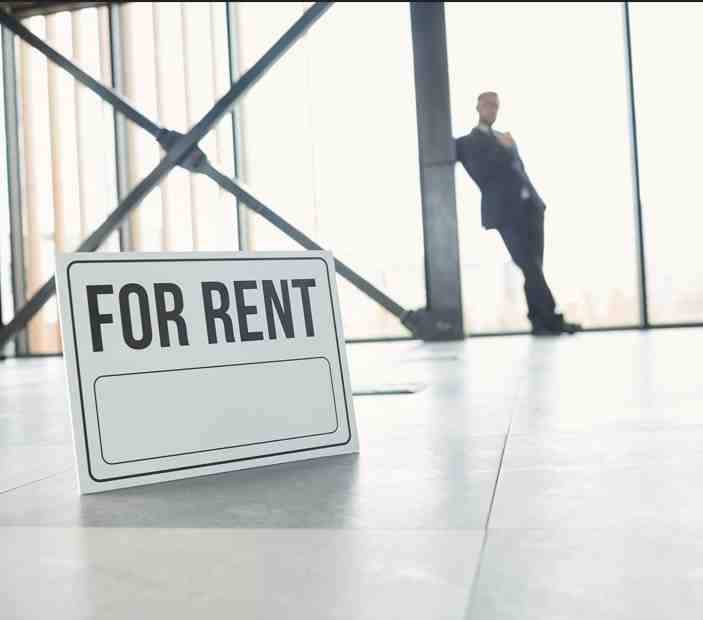
Buying rental property can be a lucrative endeavor, offering a combination of rental income, potential property appreciation, and the advantages inherent in the real estate market. It’s an opportunity to generate passive income, but success relies on knowing the market, understanding financial metrics, and selecting the right property. For those looking to dive into rental properties, here is a concise pathway:
- Line up financing: Secure the necessary funds with favorable terms.
- Understand rental property performance metrics: Grasp the numbers that indicate property success.
- Select a local market: Choose areas with strong growth and demand.
- Identify and offer on target properties: Find properties that fit your investment strategy and make competitive offers.
- Complete due diligence and closing: Ensure all details are verified before finalizing the purchase.
I am Matt Morgan. With over 15 years of experience in commercial real estate at IPA, my focus is on Riverside commercial property for sale. My experience spans acquisitions, sales, and consulting, making me a trusted resource for navigating this promising market. Let me guide you through the complexities of the real estate market.

5 Simple Steps to Buying a Rental Property
Step 1: Arrange Financing
Before diving into buying rental property, securing the right financing is crucial. This step can set the stage for a successful investment journey. Here’s how to steer the financing landscape:
Conventional Loans
Conventional loans are the most common route for financing rental properties. These loans are often offered by banks and credit unions and are typically backed by Fannie Mae or Freddie Mac.
- Down Payment: Expect to put down between 20% and 25% of the property’s purchase price. This is higher than the down payment for a primary residence.
- Mortgage Rates: Interest rates for rental properties are usually slightly higher than those for primary residences. The rate you get can significantly affect your monthly payments and overall investment return.
- Credit Score: A credit score of 720 or higher is often needed for the best loan terms. However, you can still find options with lower scores, though they may come with higher rates.
- Lender Requirements: Lenders typically require proof of income, tax returns, and bank statements. Some might also ask for up to six months of mortgage payments to be held in reserve, ensuring you can cover payments even if rental income fluctuates.
Alternative Financing
If conventional loans don’t fit your needs, consider these alternative financing options:
- Private Lenders: These lenders offer more flexible terms than banks but often at a higher interest rate. They can be a good option if you have a lower credit score or need quicker access to funds.
- Joint Ventures: Partnering with another investor can reduce the amount of cash you need upfront. This approach allows you to combine resources and share the risks and rewards.
- FHA Multifamily Loans: If you plan to live in one unit of a 2-4 unit property, an FHA loan can be a viable option. These loans require as little as 3.5% down and are backed by the Federal Housing Administration, making them accessible for many first-time investors.
Each financing option has its pros and cons. It’s crucial to evaluate your financial situation and investment goals before choosing the best path.

Lining up the right financing is the first major step in your journey to becoming a successful landlord. Once you have secured funding, the next step is to understand the key metrics that will help you assess the performance of your rental property.
Step 2: Understand Rental Property Metrics
Once you’ve secured financing, it’s time to dive into the numbers that will guide your investment decisions. Understanding rental property metrics is crucial for evaluating the potential success of your investment. Let’s break down the key concepts you need to know.
Calculating ROI
Return on Investment (ROI) is a vital metric for assessing the profitability of a rental property. Here’s how you can calculate it:
- Annual Rental Income: Start by estimating the income you expect from rent. This includes the base rent and any additional income, such as pet fees or storage charges.
- Operating Expenses: Deduct all operating expenses from your rental income. These expenses include property management fees, maintenance, insurance, and property taxes.
- Mortgage Interest: Subtract the annual mortgage interest from the remaining income. This does not include the principal repayment.
- Down Payment and Upfront Costs: Consider your initial cash investment, which includes the down payment and any upfront costs like repairs or renovations.
- ROI Calculation: Divide the annual cash flow (rental income minus expenses and interest) by your total cash investment. To get a complete picture, add expected property appreciation to this figure.
For example, if your annual cash flow is $3,400 and your total investment is $62,500, your ROI would be 5.4%. Adding an expected appreciation of 3% could bring your projected all-in ROI to 17.4%.
Key Financial Metrics
Beyond ROI, several other financial metrics are essential for evaluating rental properties:
- Cash-on-Cash Return: This metric shows the annual return on the cash you invested. It’s calculated by dividing the annual cash flow by the total cash invested. It’s a straightforward way to see how well your money is working for you.
- Cap Rate (Capitalization Rate): The cap rate helps you understand the property’s potential return. It’s the net operating income (NOI) divided by the property’s purchase price. A higher cap rate indicates a potentially better investment.
- Net Operating Income (NOI): This is the income left after subtracting operating expenses from rental income, excluding mortgage payments. NOI provides a clear view of the property’s profitability before financing costs.
Understanding these metrics will help you make informed decisions about buying rental property. They offer a snapshot of potential returns and risks, guiding you toward investments that align with your financial goals.

Armed with these insights, you can confidently move to the next step: selecting the right local market to maximize your rental property’s potential.
Step 3: Select a Local Market
Choosing the right market is crucial when buying rental property. The location of your investment can significantly impact your returns. Let’s explore how to evaluate local markets effectively.
Market Research
Start by examining job growth and population growth in potential areas. A growing job market often attracts more residents, increasing demand for rental properties. For instance, cities like Washington, DC have seen steady job growth in sectors like technology and healthcare, making them attractive for real estate investments.
Next, look at rental rate trends and vacancy rates. A market with rising rental rates and low vacancy rates suggests strong demand. Historical data can provide insights into these trends, helping you predict future performance.
Neighborhood rating is another vital factor. This includes aspects like school quality, safety, and access to amenities. High-rated neighborhoods often command higher rents and attract long-term tenants.
Consider property tax rates as well. They vary widely and can impact your profitability. Research whether any tax hikes are anticipated in the areas you’re considering.
Lastly, assess natural disaster risks. High-risk areas might have increased insurance costs, affecting your bottom line.
Best Markets for Rental Properties
When identifying the best markets, focus on high-demand areas with strong appreciation potential. These markets often offer both rental income and property value growth over time.
For example, the Inland Empire in California is known for its rapid growth and strong rental market. The area’s economic development and proximity to major cities make it a hotspot for investors.
Projected trends are crucial. Look for regions with upcoming infrastructure projects or new business developments. These can boost property values and rental demand.
Evaluate the rental income potential by comparing average rents with property prices. A favorable price-to-rent ratio indicates a good investment opportunity.
By thoroughly researching these factors, you can identify markets that align with your investment goals and maximize your property’s potential. With a solid understanding of the local market, you’re ready to move on to the next step: identifying specific properties to invest in.
Step 4: Identify and Offer on Specific Properties
Once you’ve chosen the right market, it’s time to zero in on specific properties. This step involves a careful evaluation and strategic offer-making process.
Property Evaluation
When evaluating properties, consider the property condition first. A well-maintained property can save you money on repairs and attract tenants more easily. Look for any signs of deferred maintenance—these are repairs that have been postponed and could lead to bigger issues if not addressed.
Curb appeal is crucial. Properties that look good from the outside tend to attract more interest. Check for a neat lawn, a clean exterior, and well-kept surroundings. The condition of neighboring homes can also impact your property’s appeal.
Assess the maintenance costs associated with the property. Older homes may require more frequent repairs, especially if major systems like HVAC, plumbing, and electrical are outdated. Make sure to factor these potential expenses into your budget.
Bed and bath counts are another essential factor. Properties with more bedrooms and bathrooms often appeal to families, which can mean longer-term tenants. However, they may also come with higher maintenance costs.
You’ll also need to decide between vacant or tenant-occupied properties. Vacant properties allow for immediate renovations but lack immediate income. Tenant-occupied properties generate income from day one but may come with existing lease agreements you’ll need to honor.
Making an Offer
Once you find a property that meets your criteria, it’s time to make an offer. Working with real estate agents can be beneficial—they have local market knowledge and can help you steer the buying process.
When making an offer, consider your negotiation strategies. Start by reviewing comparable sales in the area to ensure your offer is competitive. You might also include offer contingencies to protect yourself. Common contingencies include financing, inspection, and appraisal contingencies. These allow you to back out of the deal if certain conditions aren’t met.
For example, a financing contingency ensures you can withdraw your offer if you can’t secure a mortgage. An inspection contingency lets you renegotiate or walk away if the property has significant issues uncovered during inspection.
Step 5: Complete Due Diligence and Close
Once your offer is accepted, it’s time to dive into the due diligence phase. This is where you confirm all the details and ensure you’re making a sound investment. Think of it as a final check before you commit.
Due Diligence Checklist
- Rental Income Verification: Check if the projected rental income aligns with local area comps. Use sites like Rentometer to compare similar properties and ensure your expectations are realistic.
- Property Inspection: Hire a certified inspector to examine the property. Look for issues in the inspection report that might require repairs, such as roof damage or outdated electrical systems. This report is crucial—it can save you from unexpected costs later.
- Owner Disclosures: Review any disclosures from the current owner. These documents should reveal any known issues with the property, like previous water damage or pest problems. Make sure they are comprehensive and honest.
- Title Report: Ensure there are no liens or legal issues tied to the property. A clean title report is vital for a smooth transaction.
- Income Comps: Re-evaluate income comps to ensure the property’s rental income potential is still favorable. This helps in confirming your initial assumptions.
Closing Process
Once due diligence is complete, you’re ready to move toward closing. Here’s what to expect:
- Financing Finalization: Confirm your loan details. Make sure your interest rate is locked and all paperwork is in order. This step ensures you have the financial backing needed to close the deal.
- Insurance: Secure a property insurance policy. Make sure it covers potential risks like natural disasters or tenant-related damages. Insurance is a must for protecting your investment.
- Settlement Statement: Review this carefully. It outlines all the closing costs and ensures there are no surprises. Verify each item and ask questions if anything seems off.
- Closing Costs: Be prepared to cover costs like loan origination fees, appraisal fees, and title insurance. These are necessary expenses to finalize the purchase.
- Final Walkthrough: Conduct a final walkthrough of the property. Ensure everything is in the agreed-upon condition and that any negotiated repairs have been completed.
Frequently Asked Questions about Buying Rental Property
What is the 2% rule for investment property?
The 2% rule is a quick guideline to help investors evaluate if a rental property might generate positive cash flow. It suggests that the monthly rent should be at least 2% of the purchase price. For example, if a property costs $200,000, the monthly rent should be around $4,000. This rule isn’t a guarantee but a starting point. It’s important to also consider other factors like location and expenses.
Is investing in rental property worth it?
Investing in rental property can be worthwhile if you do your homework. It offers the potential for passive income and appreciation over time. However, it’s not without risks. Property values can fluctuate, and managing tenants can be challenging. Successful investors often spend time researching markets and maintaining their properties. They also understand local laws and financial metrics, like ROI and cash flow.
Is buying rental properties a good way to make money?
Buying rental properties can be a good way to make money if approached wisely. It combines monthly rental income with potential long-term gains from property value appreciation. However, success depends on making informed decisions, such as choosing the right location and property type. It’s also crucial to manage expenses and keep properties in good condition. With careful planning, rental properties can be a significant source of income.
By understanding these common questions, you’re better prepared to steer rental property investment.
Why Choose IPA Commercial Real Estate?
IPA Commercial Real Estate offers a unique blend of personalized service and value-added consulting, making it a standout choice for those interested in buying rental property. Located in Riverside, California, we are at the heart of one of the nation’s highest growth areas, the Inland Empire. Our extensive knowledge of the real estate market, combined with a commitment to hands-on problem-solving, ensures that our clients receive exceptional service custom to their specific needs.
Whether you’re a seasoned investor or just starting, our team provides expert guidance every step of the way. From arranging financing and selecting the right market to identifying properties and completing due diligence, we are dedicated to helping you make informed decisions that align with your financial goals.
Our approach is not just about closing deals; it’s about building long-term relationships and ensuring your success in the real estate market. We understand that each investment is a significant decision, and we prioritize your satisfaction and success above all else.
For more information on how we can support your real estate investment journey, visit our Property Management Services. Let us help you open up the potential of your investment property with confidence and expertise.
October 22, 2024
Mastering Commercial Real Estate Transaction Management

When it comes to commercial real estate transaction management, efficiency and accuracy are paramount. This process, essential for property investors and brokers alike, involves organizing, tracking, and finalizing real estate deals from initial listing to the closing handshake.
Here’s a quick take on why it’s crucial:
- Reduces occupancy costs through strategic negotiations.
- Improves flexibility to adapt to market fluctuations.
- Streamlines communications between brokers, tenants, and legal teams.
- Maintains organized documentation for compliance and easy access.
- Boosts investor confidence by providing transparency and control over transactions.
Mastering this skill means fewer headaches and better returns on your investments. Now, you might wonder, how does one achieve mastery in such a complex field? IPA Commercial Real Estate is here to guide you through every intricacy with our expert-written insights.
I am Matt Morgan. With over 15 years of experience in commercial real estate at IPA, my focus is on Riverside commercial property for sale. My experience spans acquisitions, sales, and consulting, making me a trusted resource for navigating this promising market. Let me guide you through the complexities of the real estate market.

What is Commercial Real Estate Transaction Management?
Commercial real estate transaction management refers to the organized process of handling all aspects of real estate deals, from the initial property listing to the final handshake. It involves a series of steps and tasks that ensure a smooth transaction, reducing errors and delays.
Definition
At its core, commercial real estate transaction management is about managing the lifecycle of a real estate deal. This includes acquisition, development, leasing, operations, value improvement, and disposition. The goal is to streamline the entire process, making it efficient and effective for all parties involved.
Digital Platform
Modern transaction management often uses digital platforms. These platforms bring together all the necessary tools in one place, allowing for seamless communication, document storage, and task management.
For instance, using a cloud-based software, brokers can track deal stages from planning to Letter of Intent (LOI), collaborate with team members, and store important documents like floor plans and photos. Tools like these help in reducing manual errors and speeding up the transaction process.
Streamline Process
A streamlined process is essential for successful transaction management. This means having a clear, step-by-step workflow that guides the transaction from start to finish.
Key steps in the process include:
- Initial Property Listing: This is where the property is listed on the market, complete with all relevant details and documentation.
- Deal Negotiation: Brokers and tenants negotiate the terms of the deal, including lease agreements and pricing.
- Due Diligence: This involves verifying all details about the property, including legal, financial, and physical inspections.
- Final Handshake: Once all terms are agreed upon and due diligence is complete, the deal is finalized with signatures and the exchange of ownership.
Real Estate Transactions
Real estate transactions are complex and involve multiple stakeholders, including brokers, tenants, legal teams, and financial institutions. Effective transaction management ensures that all these parties are on the same page, reducing misunderstandings and delays.
For example, automated tools can kick off lease renewals based on critical dates, assign tasks to teams, and prompt necessary actions. This level of automation not only saves time but also ensures that no critical step is overlooked.
Initial Property Listing to Final Handshake
From the moment a property is listed to the final handshake, transaction management covers every detail. This includes:
- Marketing the property to attract potential tenants.
- Negotiating terms to ensure favorable conditions for both parties.
- Conducting due diligence to verify the property’s condition and legal status.
- Finalizing the deal with signed agreements and the transfer of ownership.
Each of these steps requires careful coordination and attention to detail, which is why a robust transaction management system is crucial.
By leveraging the right tools and following a structured process, IPA Commercial Real Estate helps clients steer the complexities of commercial real estate transactions with ease. Whether you’re a seasoned investor or new to the field, mastering transaction management is key to achieving successful deals.
Key Components of Commercial Real Estate Transaction Management
Commercial real estate transaction management involves several key components that ensure transactions are smooth, efficient, and effective. Let’s break down these components:
Organizing Transactions
Organizing transactions is the backbone of effective transaction management. It involves:
- Tracking deal stages: From planning to Letter of Intent (LOI).
- Centralizing lease deals: Keeping all relevant information in one place.
- Assigning tasks: Ensuring everyone knows their responsibilities.
Using tools like CoStar Real Estate Manager can help automate parts of this process, such as kicking off lease renewals based on critical dates.
Communication
Effective communication is critical. It ensures all parties are on the same page and helps avoid misunderstandings. This involves:
- Collaborative platforms: Tools that allow brokers, tenants, lawyers, and other stakeholders to communicate seamlessly.
- Real-time updates: Keeping everyone informed about the status of the deal.
- Task comments and updates: Adding notes on site selection, negotiations, and other key stages.
Documentation
Proper documentation is essential for legal and operational purposes. This includes:
- Storing documents: All necessary documents like floor plans, photos, and legal agreements should be easily accessible.
- E-signatures: Facilitating quick and secure signing of documents.
- Version control: Keeping track of document changes and ensuring everyone is working with the latest version.
Issue Resolution
Issues can arise at any stage of a transaction. Effective management involves:
- Proactive problem-solving: Addressing potential issues before they escalate.
- Clear escalation paths: Knowing who to contact when problems occur.
- Documentation of resolutions: Keeping records of how issues were resolved for future reference.
Lifecycle Stages
Understanding the lifecycle stages of a commercial real estate transaction is crucial. These stages include:
Acquisition
- Site selection: Choosing the right location based on market research.
- Negotiations: Agreeing on terms and conditions.
- Due diligence: Verifying legal, financial, and physical aspects of the property.
Development
- Planning and approvals: Securing necessary permits and approvals.
- Construction management: Overseeing the building or renovation process.
- Budget management: Keeping track of costs and ensuring the project stays within budget.
Leasing
- Marketing: Attracting potential tenants.
- Lease negotiations: Finalizing lease terms.
- Tenant onboarding: Ensuring a smooth move-in process for new tenants.
Operations
- Property management: Handling day-to-day operations.
- Maintenance: Keeping the property in good condition.
- Tenant relations: Managing relationships with tenants and addressing their needs.
Value Improvement
- Renovations: Upgrading the property to increase its value.
- Efficiency improvements: Implementing sustainability practices to reduce costs.
- Market repositioning: Adjusting the property’s use or target market for better returns.
Disposition
- Market timing: Choosing the right time to sell.
- Sale negotiations: Getting the best terms for the sale.
- Transfer of ownership: Ensuring a smooth handover to the new owner.
By focusing on these components, IPA Commercial Real Estate ensures that every transaction is handled with precision and care, leading to successful outcomes for all parties involved.
Benefits of Effective Transaction Management
Effective commercial real estate transaction management brings a host of benefits that can significantly impact your business’s bottom line and operational efficiency. Here’s how:
Reduce Occupancy Costs
One of the primary advantages is the reduction of occupancy costs. By managing transactions carefully, you can:
- Negotiate better lease terms: Tools and strategies help in comparing financials such as rent, CAM, and TIA, ensuring you get the best deal.
- Avoid unnecessary fees: Proper documentation and timely renewals prevent costly penalties.
- Identify cost-saving opportunities: Through continuous monitoring and analysis, you can find ways to cut expenses.
Improve Flexibility
Flexibility is crucial in today’s dynamic market. Effective transaction management allows you to:
- Adapt to market changes: With real-time updates and centralized information, you can quickly respond to new opportunities or challenges.
- Streamline processes: Automated workflows and task assignments reduce cycle times, making your operations more agile.
- Scale operations: Efficient management makes it easier to expand your portfolio without overwhelming your team.
Maximize Site Selection
Choosing the right location is critical for the success of any commercial real estate venture. Effective management helps in:
- Comprehensive site analysis: Tools provide transparency around comps, negotiations, and site selections.
- Informed decision-making: Access to sector intelligence and research ensures you select sites that align with your strategic goals.
- Leveraging incentives: Regional and local business incentives can be fully used to make site selection more cost-effective.
Proactive Occupancy Issue Resolution
Addressing occupancy issues before they escalate can save time and money. Effective transaction management ensures:
- Early detection: Automated alerts and milestone tracking help identify potential issues early.
- Quick resolution: Clear escalation paths and collaborative platforms facilitate swift problem-solving.
- Documentation: Keeping records of issues and resolutions aids in preventing future problems.
Aggressive Lease Negotiation
Strong lease negotiation can lead to significant savings and better terms. Effective management supports:
- Centralized data: Having all lease-related information in one place allows for more strategic negotiations.
- Market insights: Access to up-to-date market research and financial analytics strengthens your negotiating position.
- Collaboration: Teams can work together seamlessly to develop and execute negotiation strategies.
Portfolio-wide Solutions
Managing a portfolio of properties requires a holistic approach. Effective transaction management provides:
- Consistent processes: Standardized workflows and templates ensure uniformity across all transactions.
- Improved oversight: Real-time dashboards and reporting tools offer a clear view of your portfolio’s status.
- Scalability: As your portfolio grows, the management system scales with you, maintaining efficiency and control.
By focusing on these benefits, IPA Commercial Real Estate helps clients achieve their strategic objectives while minimizing costs and maximizing value.

Tools and Software for Transaction Management
Effective commercial real estate transaction management relies heavily on the right tools and software. Here’s a breakdown of the essential technologies that can transform your transaction processes:
Cloud-Based Software
Cloud-based software solutions offer a flexible and scalable way to manage transactions. These platforms provide:
- Anywhere access: Work from any location, ensuring your team can stay productive no matter where they are.
- Real-time updates: Keep everyone on the same page with instant updates and changes.
- Data security: Robust security measures protect sensitive transaction data.
Reporting Software
Reporting tools are crucial for maintaining visibility over your transaction pipeline. They help in:
- Pipeline reporting: Track the status of deals and identify bottlenecks.
- Personalized dashboards: Customize views to focus on the metrics that matter most to you.
- Timeline tracking: Monitor key milestones and deadlines to ensure timely execution.
CRM (Customer Relationship Management)
A CRM system is essential for managing relationships and communications with clients. It offers:
- Data management: Keep all client information organized and easily accessible.
- Professional network: Maintain and grow your network of contacts.
- Client-list management: Track interactions and follow-up tasks to nurture client relationships.
Task Management
Task management tools help keep your team organized and on track. They provide:
- Task assignments: Allocate tasks to team members and set deadlines.
- Progress tracking: Monitor the status of tasks and ensure timely completion.
- Collaboration: Facilitate communication and collaboration among team members.
Deal Pipeline
A well-managed deal pipeline is critical for closing transactions efficiently. Key features include:
- Deal stages: Track deals from planning to LOI (Letter of Intent) and beyond.
- Centralized information: Keep all deal-related documents and communications in one place.
- Priority settings: Identify and focus on high-priority deals to maximize efficiency.
Lease Deal Centralization
Centralizing lease deals simplifies management and improves visibility. Benefits include:
- Complete visibility: Gain a clear view of all lease deals in your pipeline.
- Transparency: Create transparency around comps, negotiations, and site selections.
- Document storage: Store and manage lease documents, floor plans, and photos in a central repository.
Collaboration Tools
Collaboration tools are essential for seamless teamwork. They enable:
- Shared workspaces: Create shared environments where team members can collaborate on deals.
- Comments and updates: Add comments and updates on site selection and other critical aspects.
- Document sharing: Easily share documents and attachments with team members and stakeholders.
Best Practices for Transaction Management
Implementing best practices in commercial real estate transaction management can significantly improve your efficiency and outcomes. Here are some key strategies:
Strategy Development
Developing a robust strategy is the foundation of effective transaction management. This involves:
- Setting clear objectives: Define what success looks like for your transactions.
- Aligning with business goals: Ensure your real estate strategy supports your organization’s long-term goals.
- Risk management: Identify potential risks and develop mitigation plans.
Site Selection
Choosing the right location is crucial. Effective site selection involves:
- Market analysis: Use market research to identify high-demand areas.
- Financial analysis: Assess the financial viability of potential sites.
- Incentives: Explore regional and local business incentives that can benefit your organization.
Lease Renewals
Managing lease renewals efficiently can save costs and prevent disruptions. Key steps include:
- Early planning: Start the renewal process well before the lease expiration date.
- Negotiation: Aggressively negotiate favorable terms to reduce occupancy costs.
- Documentation: Keep detailed records of all lease agreements and renewals.
Sublease and Dispositions
Handling subleases and dispositions requires careful planning and execution:
- Market research: Understand the current market conditions to determine the best time to sublease or dispose of a property.
- Tenant vetting: Screen potential subtenants thoroughly to ensure reliability.
- Legal compliance: Ensure all transactions comply with relevant laws and regulations.
Tenant Representation
Representing tenants effectively involves:
- Understanding needs: Fully grasp the tenant’s requirements and preferences.
- Market knowledge: Leverage local market knowledge to find the best properties.
- Negotiation: Negotiate terms that meet the tenant’s needs while aligning with market conditions.
Market Research
In-depth market research is vital for informed decision-making:
- Sector intelligence: Stay updated on trends and developments in the commercial real estate sector.
- Competitive analysis: Analyze the competition to identify opportunities and threats.
- Data-driven decisions: Use data and analytics to guide your strategies and actions.
Alternative Workplace Strategies
Adopting flexible workplace strategies can improve efficiency and adaptability:
- Remote work: Implement remote work policies where feasible.
- Flexible leases: Opt for flexible lease terms to accommodate changing business needs.
- Space optimization: Use space more efficiently to reduce costs and improve productivity.
Sustainability Practices
Incorporating sustainability into your transaction management can have long-term benefits:
- Green buildings: Invest in energy-efficient and environmentally friendly properties.
- Sustainability certifications: Aim for certifications like LEED to improve property value.
- Energy management: Implement practices to reduce energy consumption and costs.
Project Management
Effective project management ensures smooth execution of transactions:
- Planning: Develop detailed project plans with timelines and milestones.
- Resource allocation: Allocate resources efficiently to avoid bottlenecks.
- Monitoring: Continuously monitor progress and make adjustments as needed.
By following these best practices, you can improve your commercial real estate transaction management processes, reduce costs, and achieve better outcomes.
Frequently Asked Questions about Commercial Real Estate Transaction Management
What does a transaction manager do in commercial real estate?
A transaction manager in commercial real estate is responsible for organizing transactions from start to finish. This includes:
- Communication: Keeping all parties informed and ensuring smooth interactions between buyers, sellers, brokers, and other stakeholders.
- Documentation: Managing and maintaining all necessary documents, such as contracts, leases, and agreements.
- Issue Resolution: Addressing and resolving any issues that arise during the transaction process, ensuring a smooth and timely completion.
Most transaction managers hold a bachelor’s degree in business, real estate, or a related field. Their expertise ensures that transactions are efficient and compliant with all relevant laws and regulations.
What is a CRM in commercial real estate?
A CRM, or Customer Relationship Management system, in commercial real estate is a digital tool used to manage interactions with clients and potential clients. It helps in:
- Data Management: Storing and organizing client information, property details, and transaction history in one place.
- Professional Network: Maintaining a robust network of contacts, including clients, brokers, and service providers.
- Client-List Management: Keeping track of client preferences and needs to provide personalized service and follow-up.
Using a CRM system helps real estate professionals stay organized, improve client relationships, and streamline their workflow.
What is the lifecycle of a commercial real estate transaction?
The lifecycle of a commercial real estate transaction typically includes the following stages:
- Acquisition: Identifying and acquiring the property. This involves market research, site selection, and negotiations.
- Development: If applicable, developing or renovating the property to meet business needs. This stage includes planning, construction, and project management.
- Leasing: Marketing the property and securing tenants. This involves lease negotiations and tenant vetting.
- Operations: Managing the property, including maintenance, tenant relations, and financial management.
- Value Improvement: Implementing strategies to improve the property’s value, such as renovations, upgrades, or re-leasing at higher rates.
- Disposition: Selling or subleasing the property. This involves market analysis, finding buyers or subtenants, and completing the sale or lease transfer.
Understanding these stages helps transaction managers effectively steer the complexities of commercial real estate deals.
Why Choose IPA Commercial Real Estate?
At IPA Commercial Real Estate, we understand that mastering commercial real estate transaction management is crucial for achieving your business goals. Our team, based in Riverside, California, offers personalized service and value-added consulting to ensure every transaction is handled with precision and care.
We pride ourselves on our extensive knowledge in all facets of the real estate industry. Our commitment to providing personalized and prompt service sets us apart. Our clients have direct access to professionals who respond to their requests quickly and efficiently.
Our comprehensive services include:
- Strategic Consulting: We develop consistent, efficient processes across your assets, helping you maximize site selection and proactively address occupancy issues.
- Transaction Management: From acquisitions to lease renewals and subleases, we handle every aspect of your real estate transactions.
- Market Research: Our team conducts in-depth market studies to provide you with the best opportunities for your business needs.
- Project Management: We oversee build-outs, renovations, and other projects to ensure they are completed on time and within budget.
Our goal is to help you reduce occupancy costs and improve flexibility across your portfolio. By leveraging our market knowledge and expert brokerage capabilities, we deliver results that align with your long-term strategy and workplace goals.
For more information about how we can support your commercial real estate needs, visit our property management services page.
We look forward to helping you steer the complexities of commercial real estate with confidence and ease.