logo-dark

Welcome to our blog.


When it comes to leasing commercial space, understanding property rates is essential for making informed decisions. One key factor that plays a significant role in determining rent costs is the rental rate “by the foot.” This term refers to how commercial spaces are priced based on the square footage of the property, with rates varying depending on factors like location, building quality, and demand. Grasping how rental prices are calculated and what influences them can help businesses navigate their options and negotiate favorable lease terms.

I’m Matt Morgan. With extensive experience at IPA Commercial Real Estate, I’ve specialized in understanding commercial property rental rates per square foot, especially for retail and office properties. Let’s dive deeper into the factors impacting these rates.

Understanding Commercial Property Rental Rates per Square Foot

When it comes to commercial property rental rates per square foot, it’s essential to understand how much you’re paying for each square foot of space on an annual basis. This rate serves as the foundation for calculating the total cost of leasing a commercial property, and it can vary significantly depending on location, type of space, and market demand. Whether you’re leasing office space, retail storefronts, or industrial properties, the rate per square foot directly impacts your budget and overall expenses. Having a clear grasp of this pricing structure allows you to assess the value of different spaces, negotiate lease terms effectively, and make well-informed decisions for your business.

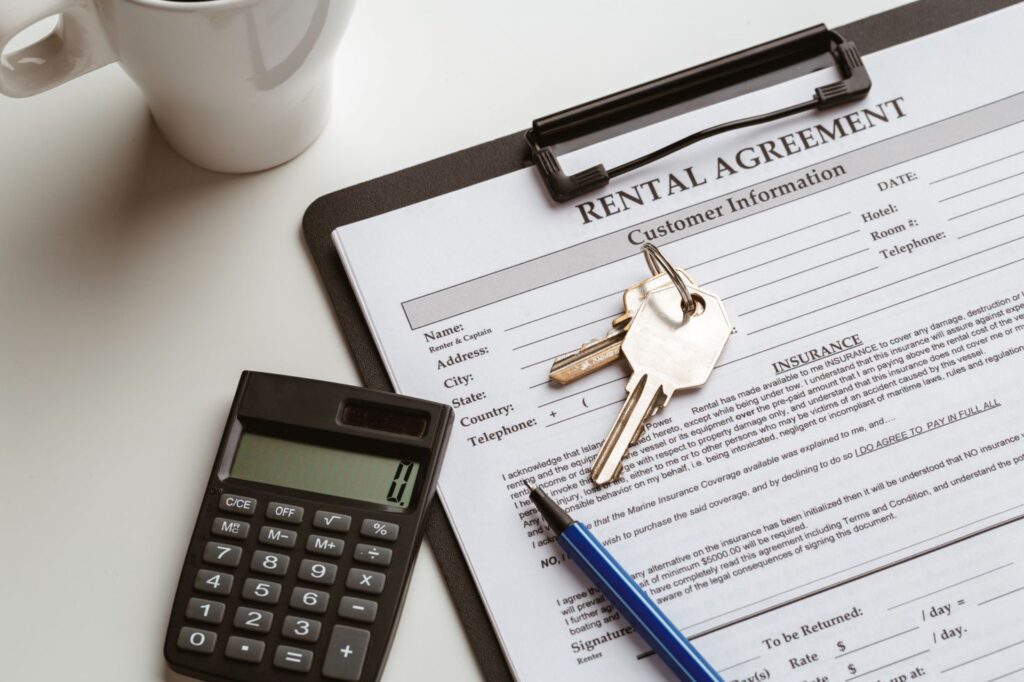
example of commercial property rental rates - commercial property rental rates per square foot

Lease Rate Basics

The lease rate is the amount paid over a specified time period for using a property. In commercial real estate, this is usually expressed as a dollar amount per square foot per year. For example, if a space costs $30 per square foot annually and you’re leasing 3,000 square feet, your total annual rent would be $90,000.

Here’s the simple formula:

  • Price Per Square Foot x Total Square Footage = Total Annual Rent

This formula helps both landlords and tenants set and negotiate rental agreements with clarity.

Why Price Per Square Foot Matters

The price per square foot is crucial because it allows for easy comparison between different properties, regardless of their size. This metric is a standard way to assess rental costs and is especially useful when deciding between multiple locations.

Annual Basis Calculation

Most commercial leases are calculated on an annual basis. This means the lease rate is quoted for a year, even if payments are made monthly. For example, in California, it’s common to see monthly quotes, but they’re derived from the annual rate.

Understanding rental rates on an annual basis helps businesses plan their finances better. It provides a clear picture of the yearly cost, enabling more accurate budgeting and forecasting.

Real-World Example

Consider a retail space in a busy area. The lease rate might be quoted at $40 per square foot per year. If the space is 2,500 square feet, the annual rent would be:

  • $40/sq. ft. x 2,500 sq. ft. = $100,000 per year

This breaks down to about $8,333 per month.

Factors Influencing Commercial Property Rates

When setting commercial property rental rates per square foot, several key factors come into play. Understanding these can help landlords and tenants make informed decisions.

Location Analysis

Location is king in real estate. A property’s location significantly impacts its rental rate. Properties in busy areas or near major hubs often command higher prices due to increased demand. For example, office spaces in downtown areas typically have higher rates compared to suburban locations.

A detailed location analysis involves assessing demographics, population growth, and economic trends. Understanding these factors helps in setting competitive rates that reflect the property’s true market value.

Property Size and Configuration

The size and layout of a property can also affect rental rates. Larger spaces might offer economies of scale, potentially leading to lower rates per square foot. However, unique configurations or features, like open floors or high ceilings, might add value and justify higher rates.

Usable vs. Rentable Square Footage is another consideration. Rentable square footage includes shared common areas, which can increase the overall rate. Understanding the distinction helps tenants know exactly what they’re paying for.

Operating Expenses

Operating expenses are the costs associated with maintaining a property. These include utilities, maintenance, and taxes. Properties with higher operating expenses might have higher rental rates to cover these costs.

For instance, a building with a state-of-the-art HVAC system might have higher operating costs but offers better comfort, justifying a higher rental rate.

Tenant Demands

Lastly, tenant demands can influence rental rates. Tenants may require specific amenities or configurations that can increase costs. For example, a tech company might need advanced IT infrastructure, while a retail tenant might value high foot traffic and parking space.

Meeting tenant demands can make a property more attractive, potentially allowing for higher rates. It’s a balancing act between offering desirable features and maintaining competitive pricing.

Understanding these factors provides clarity on why commercial property rental rates per square foot vary. This knowledge equips stakeholders to steer the commercial real estate market effectively.

Types of Commercial Leases

When it comes to leasing commercial property, the type of lease you choose can have a big impact on your costs and responsibilities. Let’s break down the three main types: triple net lease, modified gross, and full service gross.

Triple Net Lease (NNN)

A triple net lease is common in retail properties. Here, the tenant pays not just the base rent, but also property taxes, insurance, and maintenance costs.

This lease type shifts many expenses from the landlord to the tenant, leading to lower base rental rates. However, tenants must budget for these additional expenses. This can provide a more stable cash flow for landlords, as they are less affected by fluctuating operational costs.

Modified Gross Lease

A modified gross lease is a middle ground between triple net and full service gross leases. In this setup, the tenant pays a base rent plus some, but not all, of the property expenses. Typically, utilities and janitorial services might be added to the rent.

This lease type offers flexibility. For example, if you’re renting a 1,000 sq. ft. space at $10 per square foot per year, your rent would be $10,000 annually, plus specific agreed-upon expenses. This option can be appealing to tenants who want predictable costs without taking on all operational expenses.

Full Service Gross Lease

With a full service gross lease, the tenant pays one all-inclusive rent amount. The landlord covers all operating expenses, such as taxes, insurance, and utilities.

This type of lease is often used in office spaces. It provides simplicity for tenants, as they know exactly what their monthly costs will be. However, because the landlord assumes more risk, the base rent is typically higher to cover these expenses.

How to Calculate Commercial Rent

Calculating commercial rent involves understanding a few key concepts: usable square footage, rentable square footage, and the common area factor. Let’s break these down.

Usable vs. Rentable Square Footage

Usable Square Footage (USF) refers to the space that a tenant can actually occupy and use. This includes offices, meeting rooms, and any other space exclusive to the tenant.

Rentable Square Footage (RSF) includes the usable space plus a portion of the common areas. Common areas might consist of lobbies, restrooms, and hallways that all tenants share.

To calculate RSF, a factor called the common area factor is applied. This factor accounts for the shared spaces and is added to the USF to determine the RSF.

Example Calculation:

Imagine you’re leasing a 3,000 square foot office with a 16.7% common area factor. Here’s how you’d calculate the RSF:

  • Common Area Space: 3,000 USF x 16.7% = 501 square feet
  • Total RSF: 3,000 USF + 501 square feet = 3,501 RSF

Calculating Rent

Once you have the RSF, you can calculate the annual rent by multiplying it with the price per square foot.

Example:

If the rental rate is $32.00 per square foot, the calculation would be:

  • Annual Rent: 3,501 RSF x $32.00/sq. ft. = $112,032 per year
  • Monthly Rent: $112,032 / 12 = $9,336 per month

This method ensures you’re accounting for all the space you use, including shared areas.

When it comes to commercial property rental rates per square foot, several key trends influence pricing. Let’s explore some of the most significant factors: interest rates, market conditions, and the demand-supply ratio.

Interest Rates

Interest rates play a vital role in shaping real estate markets. In March 2022, interest rates began to rise, leading to a notable impact on commercial property prices. Higher interest rates often mean higher borrowing costs, which can pressure property owners to adjust their pricing strategies. This can lead to a price correction, as seen with a 22% decrease in sale prices between 2022 and 2024.

Market Conditions

Market conditions, including macroeconomic policies and employment trends, significantly affect commercial real estate. For instance, the global vacancy rate for office space hit a record high of 15.9% in the third quarter of 2023. This increase in vacancies can lead to more competitive pricing and potentially lower rental rates. According to CBRE, asking rents might fall by 3% to 4% in 2024, with landlords offering more concessions to attract tenants.

Demand-Supply Ratio

The demand-supply ratio is another crucial factor. The ongoing changes in office space usage and the rise of remote work have led to reduced demand for traditional office buildings. On the flip side, industrial properties continue to thrive due to the e-commerce boom, with rental growth rates averaging 5.5%. This shift in demand impacts pricing, with best-in-class properties in desirable locations maintaining higher rates, as reported by Statista.

Understanding these trends helps landlords and tenants steer the changing landscape of commercial real estate. Next, we’ll address some frequently asked questions about commercial property rental rates.

Frequently Asked Questions about Commercial Property Rental Rates

How do you calculate the price per square foot for a commercial lease?

Calculating the price per square foot for a commercial lease involves a straightforward formula. You multiply the annual rental rate by the total square footage of the space. For instance, if the annual rate is $40 per square foot and the space is 5,000 square feet, the total annual rent would be $200,000. To find the monthly rent, divide this amount by 12, resulting in approximately $16,667 per month.

It’s essential to understand whether the quoted rate is based on usable or rentable square footage. Usable square footage refers to the space you actually occupy, while rentable square footage includes a share of common areas like lobbies or restrooms.

What are the average commercial property rates in major US cities?

Commercial property rental rates vary significantly across major US cities. Here’s a snapshot of average office rental rates per square foot in 2024:

  • New York: Offices in Manhattan average $71 per square foot. Retail spaces city-wide average $57 per square foot.
  • Los Angeles: Office space averages $41 per square foot, while retail spaces are around $36 per square foot.
  • San Francisco: Office space commands about $60 per square foot, with retail spaces averaging $38 per square foot.

These rates can differ based on the location within the city and the class of the property. Prime locations and high-class properties generally command higher rates.

How do lease structures affect rental rates?

Lease structures play a critical role in determining rental rates. Here are the most common types:

  • Triple Net Lease (NNN): Tenants pay the base rent plus property taxes, insurance, and maintenance costs. This can result in a lower base rent but higher overall costs.
  • Full Service Gross Lease: The rent covers all operating expenses, including utilities and maintenance. This type typically has a higher base rate but fewer additional costs for tenants.
  • Modified Gross Lease: A middle ground between NNN and full service, where the tenant and landlord share some operating expenses. This structure offers more flexibility and can affect the overall cost depending on the specific terms agreed upon.

Why Choose IPA Commercial Real Estate?

Navigating commercial property rental rates per square foot can be complex, but IPA Commercial Real Estate is here to make it easier for you. Our team, based in Southern California, brings over 30 years of experience in the industry, offering unparalleled expertise and personalized service to meet your unique needs.

At IPA Commercial Real Estate, we believe in providing more than just a transactional service. We offer a full suite of consulting services to help you understand and optimize your property investments. Our team is committed to guiding you through every step of the leasing process, from determining the best lease structure to calculating the most competitive rental rates.

Our deep understanding of the Inland Empire and Southern California markets allows us to provide valuable insights and strategic advice. We work closely with our clients to ensure their properties are positioned for success, offering solutions that add value and improve profitability.

Whether you’re a seasoned investor or new to commercial real estate, our personalized approach ensures that you receive the attention and support you deserve. Our clients have direct access to professionals who respond personally and promptly, ensuring a seamless and stress-free experience.

To learn more about how IPA Commercial Real Estate can assist you with your property management needs, visit our Property Management Services page. Let us show you how our knowledge, experience, and value-driven approach can make a difference in your real estate journey.


 

commercial real estate return on investment

When it comes to investing in commercial real estate, understanding returns on investment (ROI) is key to making informed decisions. ROI serves as a crucial metric that helps investors gauge the profitability of their investments. Whether you’re a seasoned investor or just getting started, knowing how to evaluate potential returns can provide valuable insight into the performance of your property. In this post, we’ll break down what ROI in commercial real estate is, the factors that influence it, and how to calculate it to ensure you’re maximizing your investment’s potential.

I’m Matt Morgan, a real estate professional specializing in commercial real estate return on investment. With years of experience at IPA, I’ve helped investors maximize their returns. Now, let’s dive deeper into understanding how you can measure and improve ROI in commercial real estate investments.

How to Calculate ROI in Commercial Real Estate

Calculating the commercial real estate return on investment is essential for understanding the profitability of your property. Let’s break down the key components involved in this calculation: Net Operating Income, Property Value, Cap Rate, and Purchase Price.

Net Operating Income (NOI)

Net Operating Income (NOI) serves as the foundation for calculating Return on Investment (ROI). It reflects the income a property generates after subtracting operating expenses, such as property taxes, insurance, and maintenance costs.

Formula: NOI = Gross Income − Operating Expenses

For instance, if a property generates $200,000 in annual income and has $50,000 in operating expenses, the resulting NOI would be $150,000.

Property Value

The property value is another crucial element. It can be determined through a professional appraisal or by analyzing recent sales of similar properties in the area. This value helps in assessing the potential return and risk associated with the investment.

Capitalization Rate (Cap Rate)

The Capitalization Rate (Cap Rate) is a key metric used to assess the potential return on a commercial property. It is determined by dividing the Net Operating Income (NOI) by the property’s value.

Formula: Cap Rate = NOI / Property Value

For example, if the NOI is $150,000 and the property is valued at $1.5 million, the Cap Rate would be 10%.

Purchase Price

Finally, the purchase price is the amount you paid to acquire the property. This includes the initial purchase cost and any additional expenses like renovations.

Calculating ROI

With the above components, you can now calculate the ROI. Divide the NOI by the purchase price and multiply by 100 to get the percentage.

Formula:
ROI = NOI / Purchase Price x 100%

For example, if the purchase price was $1 million and the NOI is $100,000, the ROI would be 10%.

Using these calculations, investors can make informed decisions and compare different properties effectively. Understanding these metrics is vital for maximizing returns and ensuring the success of your commercial real estate investment.

What is a Good ROI for Commercial Real Estate?

In commercial real estate, understanding what constitutes a “good” return on investment (ROI) is crucial for making informed decisions. Generally, a good ROI in this sector is considered to be between 8% and 10%. However, several factors can influence whether this range is achievable or even desirable.

Market Conditions

Market conditions play a significant role in determining what a good ROI might be. During periods of economic growth, higher ROIs might be possible due to increased demand and rising property values. Conversely, in a downturn, even achieving an 8% ROI might be challenging.

For instance, in fast-growing markets like Southern California’s Inland Empire, properties might yield higher returns due to population growth and business expansion. On the other hand, stagnant markets might not offer the same opportunities, making it harder to reach the desired ROI.

Investment Goals

Investment goals are another critical factor. Some investors might prioritize steady cash flow and prefer properties with long-term leases and reliable tenants, even if the ROI is slightly lower. Others may seek higher returns through value-add investments, such as renovating properties to increase their market value.

It’s essential to align ROI expectations with your investment strategy. For example, a conservative investor might be content with an 8% ROI, valuing stability over high returns. In contrast, a more aggressive investor might aim for a 10% or higher ROI, willing to take on more risk for potentially greater rewards.

Balancing Risk and Return

Finally, it’s important to balance risk and return. Higher ROIs often come with increased risk, such as dealing with less stable tenants or investing in emerging markets. Assessing your risk tolerance will help determine the right ROI target for your portfolio.

In summary, while an 8% to 10% ROI is generally seen as good in commercial real estate, the ideal figure depends on market conditions and personal investment goals. By carefully evaluating these factors, investors can set realistic expectations and make sound investment decisions.

Factors Affecting Commercial Real Estate ROI

When evaluating commercial real estate return on investment, several key factors can significantly impact your ROI. Understanding these elements will help you make more informed investment decisions.

Property Loans

The type of loan you secure for your property can greatly influence your ROI. Conventional bank loans, which usually require a 20-30% down payment, offer fixed interest rates and longer repayment periods. This stability can be beneficial for predictable cash flow. However, if you opt for a private money loan or hard money loan, expect higher interest rates and shorter terms, which can reduce your overall ROI. These loans are often interest-only, meaning your initial cash flow might be lower.

Interest Rates

Interest rates are another crucial factor. When rates are low, borrowing is cheaper, potentially boosting your ROI. However, in a rising interest rate environment, costs can increase, squeezing your returns. Keep an eye on market trends and consider locking in a fixed rate if you anticipate future rate hikes.

Maintenance Expenses

Maintenance costs are unavoidable, but they can vary widely. Properties with high wear and tear, like apartment buildings, might incur higher upkeep expenses, reducing your ROI. Conversely, commercial spaces leased to business tenants often experience less wear, as tenants maintain them to meet customer expectations. Regular maintenance and timely repairs can help control these costs, preserving your ROI.

Location

Location is perhaps the most influential factor. Properties in fast-growing markets like Southern California’s Inland Empire often yield higher returns due to increased demand and appreciation potential. Conversely, properties in stagnant or declining areas may struggle to achieve even modest ROIs. Look for indicators such as population growth, job creation, and infrastructure development when evaluating location.

Strategies to Maximize ROI in Commercial Real Estate

Maximizing commercial real estate return on investment involves a mix of smart strategies. Let’s explore some effective ways to boost your ROI.

Research

Research is your first step. Knowing the market inside out can help you spot opportunities others might miss. Look for high-growth areas like Southern California’s Inland Empire, where population and job growth create demand. Also, keep an eye on local regulations and zoning laws. These can impact property values and rental income.

Renovations

Renovations can significantly increase a property’s value and rental potential. Focus on upgrades that add the most value, such as energy-efficient systems or modernized interiors. According to industry insights, well-maintained properties attract higher-quality tenants willing to pay premium rents. This not only boosts your cash flow but also improves property value over time.

Tax Incentives

Take advantage of tax incentives to improve your ROI. Many local governments offer tax breaks for energy-efficient upgrades or for revitalizing older properties. These incentives can reduce your tax burden, increasing your net income. Consult with a tax advisor to ensure you’re making the most of these opportunities.

Long-Term Strategy

A long-term strategy is crucial. Real estate markets fluctuate, but holding onto a property for the long haul often results in appreciation. Having a long-term vision allows you to ride out market dips and capitalize on growth periods. Additionally, securing long-term leases with tenants can stabilize your cash flow and reduce turnover costs.

Frequently Asked Questions about Commercial Real Estate Return on Investment

What is the 2% rule in real estate?

The 2% rule is a simple guideline used by real estate investors to quickly assess the profitability of a rental property. According to this rule, a property is considered a good investment if the monthly rent is at least 2% of the purchase price. For example, if you buy a property for $200,000, the monthly rent should be at least $4,000 to meet the 2% rule. This helps ensure that the rental income covers expenses like mortgage payments, maintenance, and other costs.

What is the average return on commercial real estate?

The average return on commercial real estate typically falls between 6% and 12%. This range can vary based on factors such as location, property type, and market conditions. For instance, properties in high-demand areas, like the Inland Empire in Southern California, might yield higher returns due to increased rental demand. However, it’s important to note that each investment is unique, and returns can vary widely depending on the specifics of the deal.

What is a good rate of return for commercial property?

A good rate of return for commercial property generally ranges from 5% to 10%. This rate can be influenced by lease agreements and rental yields. Long-term leases with stable tenants often provide more consistent returns, while higher rental yields can boost profitability. Investors should consider their financial goals and risk tolerance when evaluating what constitutes a “good” return for their commercial real estate investments.

Why Choose IPA Commercial Real Estate?

Navigating commercial real estate can be complex, but you don’t have to do it alone. At IPA Commercial Real Estate, we are committed to providing personalized service and expert investment guidance to help you achieve your financial goals.

Our team, based in Riverside, California, understands the intricacies of the commercial real estate market in Southern California and beyond. We offer a comprehensive range of services, from brokerage to management and consulting, ensuring that every aspect of your investment is handled with the utmost care and expertise.

Whether you’re looking to maximize your commercial real estate return on investment or need advice on the best strategies to improve your property’s value, our seasoned professionals are here to assist you every step of the way. Our personalized approach means that we tailor our services to meet your unique needs, ensuring that you receive the best possible outcomes.

With IPA Commercial Real Estate, you gain access to a team that values your success as much as you do. Let us guide you through the complexities of commercial real estate investing and help you open up the full potential of your investment portfolio.

For more information on our services and how we can assist you in your commercial real estate journey, visit our Brokerage page.


Choosing a Business Location

Choosing a Business Location is a crucial step that can significantly impact the success of your enterprise. Whether you’re a seasoned entrepreneur or launching your first business, finding the right spot is essential. Here’s a quick guide to get you started:

  • Prioritize accessibility and visibility to draw in foot traffic and improve your business’s appeal.
  • Research local demographics to ensure alignment with your target market’s needs.
  • Evaluate proximity to competitors and partners for strategic advantages.
  • Consider cost factors, including rent and local taxes, to make informed financial decisions.
  • Assess growth potential by analyzing zoning laws and future development plans.

My name is Matt Morgan, and I’ve been immersed in the commercial real estate industry since 2008 with IPA Commercial Real Estate. With years of experience in retail and office property management, I’ve honed my skills in Choosing a Business Location that maximizes success.

Key Factors in Choosing a Business Location

Demographics

Understanding the demographics of a potential location is crucial for any business looking to target the right audience. The key is to be where your ideal customers live, work, and spend their time. For example, if you’re opening a toy store, it makes sense to focus on neighborhoods with a high concentration of families with young children. Similarly, choosing areas with a growing population is wise, as this can offer more opportunities for future expansion and long-term success.

To get a clearer picture, look into resources like the U.S. Census Bureau, which provides detailed data on population size, age distribution, household income, education levels, and more. With this information, you can assess the purchasing power of local residents, predict their spending habits, and tailor your marketing strategies accordingly. Moreover, by understanding the socio-economic landscape, you can better forecast demand for your product or service and make data-driven decisions on things like pricing, inventory, and store design. This demographic insight is essential for positioning your business for growth and ensuring that your location aligns with the needs of your target market.

Accessibility

Choosing the right business location goes beyond just the space itself—it should be easily accessible for both customers and employees. When evaluating potential spots, consider factors like foot traffic, parking availability, and proximity to major roads or highways. For retail stores, restaurants, and other customer-facing businesses, high foot traffic can significantly increase visibility and sales, making it a key factor in your decision-making process.

To fully assess the area, visit it at various times of the day and week to observe traffic patterns and get a sense of peak hours. This will help you gauge how busy the area is and when you can expect the most foot traffic. Don’t forget about parking—ensure there is ample parking for both customers and employees. Having easy access to parking not only enhances convenience for customers but also reduces the risk of frustration, which could discourage repeat visits.

Additionally, think about how the location connects to public transportation options. In urban areas, convenient access to buses or train stations can help attract customers who may not drive. In more suburban or rural areas, good road access and visible signage can be critical. Balancing accessibility, visibility, and convenience for both employees and customers is key to choosing a location that supports the long-term success of your business.

Competition

Analyzing the competition in your chosen area is a critical step when selecting a business location. Being situated near competitors can present both challenges and opportunities, so it’s important to approach this strategically. In a saturated market, it may be difficult to differentiate your business and attract attention, but there are also advantages to being in close proximity to other businesses.

While direct competitors might create more challenges in terms of standing out, being near complementary businesses can be a game-changer. For example, a florist located next to a bakery could benefit from shared customer traffic, as shoppers may stop by both businesses in one trip. This type of synergy can increase exposure for your brand and drive more foot traffic, especially if the businesses align in a way that makes sense for consumers.

Beyond just physical proximity, consider the nature of the competition. Are there any gaps in the market that you could fill, or niches that other businesses aren’t catering to? Think about how you can differentiate yourself, whether through pricing, unique offerings, or customer experience. It’s also worth exploring the potential for collaboration with nearby businesses for cross-promotion or shared events that can boost visibility for everyone involved. By understanding the competitive landscape, you can make informed decisions on how to position your business and leverage your location for maximum benefit.

Growth Potential

When selecting a business location, it’s essential to focus on areas with potential for future growth. This involves not only looking at the current market but also considering the long-term outlook for the area. One important factor to assess is local zoning laws, as they can significantly impact the types of businesses that are allowed to operate in certain areas. For instance, some neighborhoods may be zoned strictly for residential use, limiting the kinds of businesses that can open there, while others are designated for commercial, retail, or mixed-use development.

It’s crucial to check with local city planning or zoning departments to get a clear understanding of the regulations and to confirm that your business can legally operate in the area. Zoning laws can influence everything from the size of your building and signage restrictions to the hours of operation and the type of signage you’re permitted to use. Understanding these details upfront helps prevent costly mistakes down the road.

Additionally, it’s wise to investigate any future development plans for the area. Look into local government initiatives, infrastructure projects, and real estate developments that could impact the area’s accessibility, traffic, and overall attractiveness to customers. For example, a new transportation hub or residential development could significantly increase foot traffic and customer base in the future. By evaluating these factors, you can choose a location not just for its current advantages, but also for its potential to grow and evolve with the community. This forward-thinking approach ensures that your business is set up for long-term success and sustainability.

Zoning Laws

Zoning laws play a key role in determining what types of businesses can operate in specific areas, so it’s essential to ensure your business complies with local zoning regulations. These laws can vary significantly depending on the location and the type of business you’re planning to run. In some areas, zoning restrictions may be minimal, particularly if you’re running a home-based business or operating in an area with mixed-use zoning. However, even in these cases, it’s important to fully understand the rules and limitations to avoid any potential legal or operational issues down the road.

For example, certain zoning districts may restrict hours of operation, the size or appearance of your signage, or the type of services you can offer. Other areas may impose regulations on noise levels, parking requirements, or even the number of employees allowed on-site. It’s always a good idea to consult with local zoning authorities, city planning departments, or legal experts to make sure your business activities align with local laws.

By taking the time to research zoning requirements early on, you can avoid unnecessary delays, fines, or disruptions to your operations. Furthermore, staying informed about potential zoning changes or upcoming developments in your area can help you plan for the future and ensure that your business remains compliant as the neighborhood evolves. Being proactive about zoning compliance gives you peace of mind and allows you to focus on growing your business without facing unexpected legal hurdles.

Frequently Asked Questions about Choosing a Business Location

When it comes to choosing a business location, there are several questions that often arise. Let’s explore some of the most common ones.

What are the top factors to consider?

When selecting a location, focus on three key factors: geographic location, operational needs, and rent cost.

  • Geographic Location: This is all about where your customers and employees are. You want to be where your target audience lives or frequently visits. For instance, if you’re opening a toy store, an area with many young families would be ideal.
  • Operational Needs: Consider what your business requires to run smoothly. For example, a manufacturing business might need easy access to transportation routes, while a retail store might prioritize foot traffic.
  • Rent Cost: While it’s tempting to choose a location based purely on affordability, remember to balance cost with the benefits the location offers. Hidden costs such as taxes and renovations can also impact your budget.

How does accessibility impact business location?

Accessibility plays a crucial role in making your business easy to reach for both customers and employees.

  • Customer Convenience: Customers prefer locations that are easy to find and reach. This means having enough parking spaces and being near major roads or public transportation.
  • Employee Access: Ensure that your location is accessible to your workforce. This can influence employee satisfaction and retention. An office near public transport or major highways can make commuting easier for your team.

What role do demographics play in location selection?

Demographics are essential to understand who your customers are and what they want.

  • Target Audience: Knowing the demographics of an area helps you identify if your target customers are present. Use tools like U.S. Census Bureau data to gather this information.
  • Consumer Habits: Understanding consumer spending habits and preferences can guide you in tailoring your products or services to meet local demand. For example, a high-income area might support a luxury brand, whereas a student-dense area might favor budget-friendly options.

By considering these factors, you can choose a location that aligns with your business goals and customer needs. This strategic approach ensures you’re setting up shop in a place where your business can thrive.

Why Choose IPA Commercial Real Estate?

Choosing a business location is a strategic decision that can significantly impact your business’s success. It’s not just about finding a spot that looks good on a map; it’s about aligning your location with your business strategy and goals.

At IPA Commercial Real Estate, we understand the complexities involved in this decision-making process. Our expertise in the Inland Empire and Southern California markets allows us to provide personalized service custom to your unique needs.

Strategic Decision-Making:
Selecting the right location involves analyzing various factors such as demographics, accessibility, and competition. It’s about making informed choices that align with your operational needs and customer base. By leveraging our extensive market knowledge, we help you steer these complexities to find a location that supports your business objectives.

Personalized Service:
We pride ourselves on offering a hands-on approach, ensuring that our clients receive the attention and support they deserve. From understanding zoning laws to evaluating costs and incentives, we guide you through each step of the process. Our commitment to personalized service means we’re here to answer your questions and address your concerns promptly.

When you’re ready to make a strategic move, connect with us at IPA Commercial Real Estate. We’re here to help you find the ideal business location that sets the stage for your success.