Welcome to our blog.
Sorry, no results were found, search again?
Welcome to our blog.

Real estate investment advice for beginners is essential in navigating the commercial real estate landscape effectively. If you’re just starting out, focus on these key steps:
I am Matt Morgan. With over 15 years of experience in commercial real estate at IPA, my focus is on Riverside commercial property for sale. My experience spans acquisitions, sales, and consulting, making me a trusted resource for navigating this promising market. Let me guide you through the complexities of the real estate market.

When stepping into commercial real estate, it’s crucial to grasp the basics of property types, zoning regulations, and investment strategies. Let’s break these down for clarity.
Commercial real estate isn’t just about office buildings. It covers a variety of property types that serve different purposes. Here’s a quick overview:

Zoning regulations are local laws that dictate how properties can be used. Understanding these is vital for any real estate investor. Here’s why:
Before investing, always check the local zoning laws. These will guide what you can and cannot do with a property.
In commercial real estate, having the right investment strategy is key. Here are a few strategies to consider:
Each strategy has its pros and cons. Real estate investment advice for beginners often emphasizes starting with a strategy that aligns with your financial goals and risk tolerance.
Entering the field of real estate investment can feel overwhelming, but breaking it down into manageable parts makes it more approachable. Here, we’ll focus on REITs, rental income, and property appreciation—three key concepts for any beginner.
REITs offer a way to invest in real estate without owning physical property. They function like mutual funds but are for real estate. Here’s why they are a great option for beginners:
Investing in REITs can be a smart move for those looking to dip their toes into real estate investing with minimal hassle.
Generating rental income is a traditional and reliable way to make money in real estate. Here’s how it works:
Rental income not only provides immediate cash flow but also builds equity over time, which can be advantageous when property values rise.
Property appreciation refers to the increase in property value over time. Here’s why it matters:
While appreciation can significantly boost profits, it’s important to remember it’s a long-term strategy. Patience and market knowledge are key.
These three elements—REITs, rental income, and property appreciation—are foundational for beginners in real estate investing. They each offer unique benefits and can serve as stepping stones to more advanced investment strategies.
Diving into commercial real estate investment can be exciting and rewarding. Let’s explore some top strategies that can help you start strong in this field.
Buy and hold is a classic strategy where investors purchase properties and keep them for a long time. Here’s why it’s popular:
This strategy is ideal for those looking for stability and long-term gains in real estate.
Flipping involves buying properties, renovating them, and selling them for a profit. It’s a more hands-on approach and can be lucrative if done right:
Flipping is best suited for those with experience in construction or real estate markets and who enjoy a investment style.
Syndication is a group investment strategy where multiple investors pool resources to purchase large properties:
This approach is great for those looking to diversify their real estate portfolio without managing properties directly.
REITs are a way to invest in real estate through the stock market. They offer several benefits:
For beginners, REITs offer a low-barrier entry into real estate investing without the need to manage properties.
Online platforms connect investors with real estate projects through crowdfunding:
Online platforms are perfect for those who want to invest in real estate without the complexities of direct property ownership.
These strategies offer diverse pathways into commercial real estate investment, each with its own set of benefits and challenges. Choose the one that aligns with your financial goals and risk tolerance.
To succeed in real estate investing, especially as a beginner, you’ll need to develop a set of essential skills. These skills will help you steer the complexities of the industry and make informed investment decisions. Let’s break them down:
Real estate is filled with industry-specific jargon. Familiarity with terms like cash flow, HOA, and turnkey property is crucial. Understanding these terms will help you communicate effectively with other professionals and make better investment choices.
Before investing, thorough research is a must. This process, known as due diligence, includes reviewing property documents, estimating expenses, and assessing potential risks. It’s about making sure you’re fully informed about an investment before committing.
Tip: Ensure you understand the local zoning regulations and any HOA rules that might affect your property. This can prevent future headaches and unexpected costs.
A strong social media presence is invaluable. It helps you network, stay updated on market trends, and even find investment opportunities.
Real estate is not just about numbers; it’s also about people. Strong soft skills like communication, negotiation, and problem-solving are essential.
Quote: “Having a willingness to learn will help you in the beginning of your investment career, along with being able to adapt to changing market situations.”
When you’re just starting out in real estate investment, it’s important to choose options that are manageable and have the potential for growth. Here are some popular choices:
The 2% rule is a guideline used by real estate investors to evaluate the potential cash flow of a rental property. It suggests that the monthly rent should be at least 2% of the purchase price of the property.
For example, if you buy a property for $100,000, the monthly rent should be at least $2,000 to make the investment worthwhile. This rule helps investors quickly assess whether a property could generate enough income to cover expenses like mortgage payments, maintenance, and taxes.
Though, that the 2% rule is just a guideline. Local market conditions and property-specific factors should also be considered when making investment decisions.
Investing in real estate with little to no money is possible through several strategies:
Each of these methods requires a good understanding of the market and networking skills to find the right opportunities. With the right approach, even beginners can start building their real estate portfolio without significant capital.
Starting on a journey into real estate investment can be both exciting and daunting for beginners. With the right guidance and support, this venture can lead to rewarding experiences and financial growth. At IPA Commercial Real Estate, we are committed to providing personalized service and expert consulting to help you succeed in your real estate endeavors.
Our team, based in Riverside, California, offers a wealth of knowledge across all facets of the real estate industry. We understand that each investor’s journey is unique, and our approach is custom to fit your specific needs and goals. From understanding local market trends to navigating complex investment strategies, we’re here to provide the insights and support you need.
Value-Added Consulting Services
Our consulting services go beyond traditional real estate brokerage and management. We offer a comprehensive range of value-added services designed to help you make informed decisions and optimize your investments. Whether you’re interested in commercial properties, rental income, or property appreciation, our experts are ready to guide you every step of the way.
By choosing IPA Commercial Real Estate, you gain a partner dedicated to your success. Our personalized approach ensures that your real estate investments are not only profitable but also aligned with your long-term vision.
Ready to take the next step in your real estate investment journey? Explore our property management services and see how we can help you achieve your goals.
With IPA Commercial Real Estate, you’re not just investing in properties; you’re investing in a partnership that values your success as much as you do. Let’s build a prosperous future together.
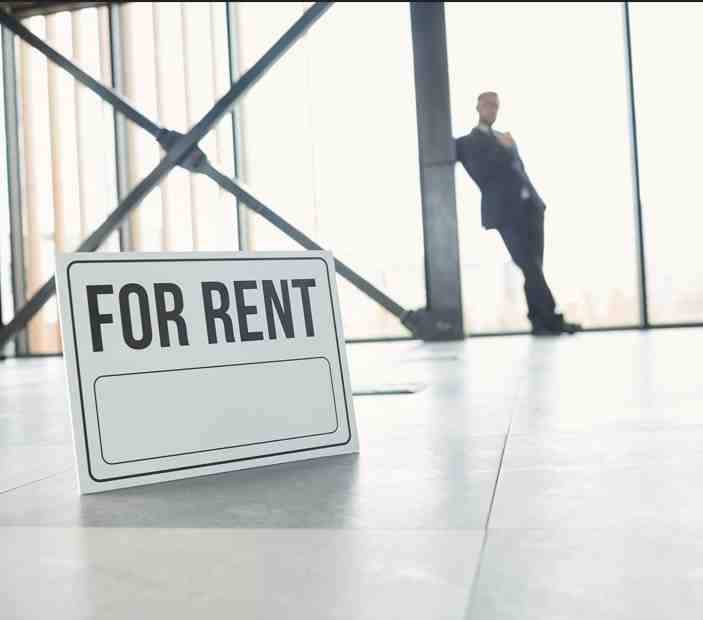
Buying rental property can be a lucrative endeavor, offering a combination of rental income, potential property appreciation, and the advantages inherent in the real estate market. It’s an opportunity to generate passive income, but success relies on knowing the market, understanding financial metrics, and selecting the right property. For those looking to dive into rental properties, here is a concise pathway:
I am Matt Morgan. With over 15 years of experience in commercial real estate at IPA, my focus is on Riverside commercial property for sale. My experience spans acquisitions, sales, and consulting, making me a trusted resource for navigating this promising market. Let me guide you through the complexities of the real estate market.

5 Simple Steps to Buying a Rental Property
Before diving into buying rental property, securing the right financing is crucial. This step can set the stage for a successful investment journey. Here’s how to steer the financing landscape:
Conventional loans are the most common route for financing rental properties. These loans are often offered by banks and credit unions and are typically backed by Fannie Mae or Freddie Mac.
If conventional loans don’t fit your needs, consider these alternative financing options:
Each financing option has its pros and cons. It’s crucial to evaluate your financial situation and investment goals before choosing the best path.

Lining up the right financing is the first major step in your journey to becoming a successful landlord. Once you have secured funding, the next step is to understand the key metrics that will help you assess the performance of your rental property.
Once you’ve secured financing, it’s time to dive into the numbers that will guide your investment decisions. Understanding rental property metrics is crucial for evaluating the potential success of your investment. Let’s break down the key concepts you need to know.
Return on Investment (ROI) is a vital metric for assessing the profitability of a rental property. Here’s how you can calculate it:
For example, if your annual cash flow is $3,400 and your total investment is $62,500, your ROI would be 5.4%. Adding an expected appreciation of 3% could bring your projected all-in ROI to 17.4%.
Beyond ROI, several other financial metrics are essential for evaluating rental properties:
Understanding these metrics will help you make informed decisions about buying rental property. They offer a snapshot of potential returns and risks, guiding you toward investments that align with your financial goals.

Armed with these insights, you can confidently move to the next step: selecting the right local market to maximize your rental property’s potential.
Choosing the right market is crucial when buying rental property. The location of your investment can significantly impact your returns. Let’s explore how to evaluate local markets effectively.
Start by examining job growth and population growth in potential areas. A growing job market often attracts more residents, increasing demand for rental properties. For instance, cities like Washington, DC have seen steady job growth in sectors like technology and healthcare, making them attractive for real estate investments.
Next, look at rental rate trends and vacancy rates. A market with rising rental rates and low vacancy rates suggests strong demand. Historical data can provide insights into these trends, helping you predict future performance.
Neighborhood rating is another vital factor. This includes aspects like school quality, safety, and access to amenities. High-rated neighborhoods often command higher rents and attract long-term tenants.
Consider property tax rates as well. They vary widely and can impact your profitability. Research whether any tax hikes are anticipated in the areas you’re considering.
Lastly, assess natural disaster risks. High-risk areas might have increased insurance costs, affecting your bottom line.
When identifying the best markets, focus on high-demand areas with strong appreciation potential. These markets often offer both rental income and property value growth over time.
For example, the Inland Empire in California is known for its rapid growth and strong rental market. The area’s economic development and proximity to major cities make it a hotspot for investors.
Projected trends are crucial. Look for regions with upcoming infrastructure projects or new business developments. These can boost property values and rental demand.
Evaluate the rental income potential by comparing average rents with property prices. A favorable price-to-rent ratio indicates a good investment opportunity.
By thoroughly researching these factors, you can identify markets that align with your investment goals and maximize your property’s potential. With a solid understanding of the local market, you’re ready to move on to the next step: identifying specific properties to invest in.
Once you’ve chosen the right market, it’s time to zero in on specific properties. This step involves a careful evaluation and strategic offer-making process.
When evaluating properties, consider the property condition first. A well-maintained property can save you money on repairs and attract tenants more easily. Look for any signs of deferred maintenance—these are repairs that have been postponed and could lead to bigger issues if not addressed.
Curb appeal is crucial. Properties that look good from the outside tend to attract more interest. Check for a neat lawn, a clean exterior, and well-kept surroundings. The condition of neighboring homes can also impact your property’s appeal.
Assess the maintenance costs associated with the property. Older homes may require more frequent repairs, especially if major systems like HVAC, plumbing, and electrical are outdated. Make sure to factor these potential expenses into your budget.
Bed and bath counts are another essential factor. Properties with more bedrooms and bathrooms often appeal to families, which can mean longer-term tenants. However, they may also come with higher maintenance costs.
You’ll also need to decide between vacant or tenant-occupied properties. Vacant properties allow for immediate renovations but lack immediate income. Tenant-occupied properties generate income from day one but may come with existing lease agreements you’ll need to honor.
Once you find a property that meets your criteria, it’s time to make an offer. Working with real estate agents can be beneficial—they have local market knowledge and can help you steer the buying process.
When making an offer, consider your negotiation strategies. Start by reviewing comparable sales in the area to ensure your offer is competitive. You might also include offer contingencies to protect yourself. Common contingencies include financing, inspection, and appraisal contingencies. These allow you to back out of the deal if certain conditions aren’t met.
For example, a financing contingency ensures you can withdraw your offer if you can’t secure a mortgage. An inspection contingency lets you renegotiate or walk away if the property has significant issues uncovered during inspection.
Once your offer is accepted, it’s time to dive into the due diligence phase. This is where you confirm all the details and ensure you’re making a sound investment. Think of it as a final check before you commit.
Once due diligence is complete, you’re ready to move toward closing. Here’s what to expect:
The 2% rule is a quick guideline to help investors evaluate if a rental property might generate positive cash flow. It suggests that the monthly rent should be at least 2% of the purchase price. For example, if a property costs $200,000, the monthly rent should be around $4,000. This rule isn’t a guarantee but a starting point. It’s important to also consider other factors like location and expenses.
Investing in rental property can be worthwhile if you do your homework. It offers the potential for passive income and appreciation over time. However, it’s not without risks. Property values can fluctuate, and managing tenants can be challenging. Successful investors often spend time researching markets and maintaining their properties. They also understand local laws and financial metrics, like ROI and cash flow.
Buying rental properties can be a good way to make money if approached wisely. It combines monthly rental income with potential long-term gains from property value appreciation. However, success depends on making informed decisions, such as choosing the right location and property type. It’s also crucial to manage expenses and keep properties in good condition. With careful planning, rental properties can be a significant source of income.
By understanding these common questions, you’re better prepared to steer rental property investment.
IPA Commercial Real Estate offers a unique blend of personalized service and value-added consulting, making it a standout choice for those interested in buying rental property. Located in Riverside, California, we are at the heart of one of the nation’s highest growth areas, the Inland Empire. Our extensive knowledge of the real estate market, combined with a commitment to hands-on problem-solving, ensures that our clients receive exceptional service custom to their specific needs.
Whether you’re a seasoned investor or just starting, our team provides expert guidance every step of the way. From arranging financing and selecting the right market to identifying properties and completing due diligence, we are dedicated to helping you make informed decisions that align with your financial goals.
Our approach is not just about closing deals; it’s about building long-term relationships and ensuring your success in the real estate market. We understand that each investment is a significant decision, and we prioritize your satisfaction and success above all else.
For more information on how we can support your real estate investment journey, visit our Property Management Services. Let us help you open up the potential of your investment property with confidence and expertise.

When it comes to commercial real estate transaction management, efficiency and accuracy are paramount. This process, essential for property investors and brokers alike, involves organizing, tracking, and finalizing real estate deals from initial listing to the closing handshake.
Here’s a quick take on why it’s crucial:
Mastering this skill means fewer headaches and better returns on your investments. Now, you might wonder, how does one achieve mastery in such a complex field? IPA Commercial Real Estate is here to guide you through every intricacy with our expert-written insights.
I am Matt Morgan. With over 15 years of experience in commercial real estate at IPA, my focus is on Riverside commercial property for sale. My experience spans acquisitions, sales, and consulting, making me a trusted resource for navigating this promising market. Let me guide you through the complexities of the real estate market.

Commercial real estate transaction management refers to the organized process of handling all aspects of real estate deals, from the initial property listing to the final handshake. It involves a series of steps and tasks that ensure a smooth transaction, reducing errors and delays.
At its core, commercial real estate transaction management is about managing the lifecycle of a real estate deal. This includes acquisition, development, leasing, operations, value improvement, and disposition. The goal is to streamline the entire process, making it efficient and effective for all parties involved.
Modern transaction management often uses digital platforms. These platforms bring together all the necessary tools in one place, allowing for seamless communication, document storage, and task management.
For instance, using a cloud-based software, brokers can track deal stages from planning to Letter of Intent (LOI), collaborate with team members, and store important documents like floor plans and photos. Tools like these help in reducing manual errors and speeding up the transaction process.
A streamlined process is essential for successful transaction management. This means having a clear, step-by-step workflow that guides the transaction from start to finish.
Key steps in the process include:
Real estate transactions are complex and involve multiple stakeholders, including brokers, tenants, legal teams, and financial institutions. Effective transaction management ensures that all these parties are on the same page, reducing misunderstandings and delays.
For example, automated tools can kick off lease renewals based on critical dates, assign tasks to teams, and prompt necessary actions. This level of automation not only saves time but also ensures that no critical step is overlooked.
From the moment a property is listed to the final handshake, transaction management covers every detail. This includes:
Each of these steps requires careful coordination and attention to detail, which is why a robust transaction management system is crucial.
By leveraging the right tools and following a structured process, IPA Commercial Real Estate helps clients steer the complexities of commercial real estate transactions with ease. Whether you’re a seasoned investor or new to the field, mastering transaction management is key to achieving successful deals.
Commercial real estate transaction management involves several key components that ensure transactions are smooth, efficient, and effective. Let’s break down these components:
Organizing transactions is the backbone of effective transaction management. It involves:
Using tools like CoStar Real Estate Manager can help automate parts of this process, such as kicking off lease renewals based on critical dates.
Effective communication is critical. It ensures all parties are on the same page and helps avoid misunderstandings. This involves:
Proper documentation is essential for legal and operational purposes. This includes:
Issues can arise at any stage of a transaction. Effective management involves:
Understanding the lifecycle stages of a commercial real estate transaction is crucial. These stages include:
By focusing on these components, IPA Commercial Real Estate ensures that every transaction is handled with precision and care, leading to successful outcomes for all parties involved.
Effective commercial real estate transaction management brings a host of benefits that can significantly impact your business’s bottom line and operational efficiency. Here’s how:
One of the primary advantages is the reduction of occupancy costs. By managing transactions carefully, you can:
Flexibility is crucial in today’s dynamic market. Effective transaction management allows you to:
Choosing the right location is critical for the success of any commercial real estate venture. Effective management helps in:
Addressing occupancy issues before they escalate can save time and money. Effective transaction management ensures:
Strong lease negotiation can lead to significant savings and better terms. Effective management supports:
Managing a portfolio of properties requires a holistic approach. Effective transaction management provides:
By focusing on these benefits, IPA Commercial Real Estate helps clients achieve their strategic objectives while minimizing costs and maximizing value.

Effective commercial real estate transaction management relies heavily on the right tools and software. Here’s a breakdown of the essential technologies that can transform your transaction processes:
Cloud-based software solutions offer a flexible and scalable way to manage transactions. These platforms provide:
Reporting tools are crucial for maintaining visibility over your transaction pipeline. They help in:
A CRM system is essential for managing relationships and communications with clients. It offers:
Task management tools help keep your team organized and on track. They provide:
A well-managed deal pipeline is critical for closing transactions efficiently. Key features include:
Centralizing lease deals simplifies management and improves visibility. Benefits include:
Collaboration tools are essential for seamless teamwork. They enable:
Implementing best practices in commercial real estate transaction management can significantly improve your efficiency and outcomes. Here are some key strategies:
Developing a robust strategy is the foundation of effective transaction management. This involves:
Choosing the right location is crucial. Effective site selection involves:
Managing lease renewals efficiently can save costs and prevent disruptions. Key steps include:
Handling subleases and dispositions requires careful planning and execution:
Representing tenants effectively involves:
In-depth market research is vital for informed decision-making:
Adopting flexible workplace strategies can improve efficiency and adaptability:
Incorporating sustainability into your transaction management can have long-term benefits:
Effective project management ensures smooth execution of transactions:
By following these best practices, you can improve your commercial real estate transaction management processes, reduce costs, and achieve better outcomes.
A transaction manager in commercial real estate is responsible for organizing transactions from start to finish. This includes:
Most transaction managers hold a bachelor’s degree in business, real estate, or a related field. Their expertise ensures that transactions are efficient and compliant with all relevant laws and regulations.
A CRM, or Customer Relationship Management system, in commercial real estate is a digital tool used to manage interactions with clients and potential clients. It helps in:
Using a CRM system helps real estate professionals stay organized, improve client relationships, and streamline their workflow.
The lifecycle of a commercial real estate transaction typically includes the following stages:
Understanding these stages helps transaction managers effectively steer the complexities of commercial real estate deals.
At IPA Commercial Real Estate, we understand that mastering commercial real estate transaction management is crucial for achieving your business goals. Our team, based in Riverside, California, offers personalized service and value-added consulting to ensure every transaction is handled with precision and care.
We pride ourselves on our extensive knowledge in all facets of the real estate industry. Our commitment to providing personalized and prompt service sets us apart. Our clients have direct access to professionals who respond to their requests quickly and efficiently.
Our comprehensive services include:
Our goal is to help you reduce occupancy costs and improve flexibility across your portfolio. By leveraging our market knowledge and expert brokerage capabilities, we deliver results that align with your long-term strategy and workplace goals.
For more information about how we can support your commercial real estate needs, visit our property management services page.
We look forward to helping you steer the complexities of commercial real estate with confidence and ease.