Welcome to our blog.
Sorry, no results were found, search again?
Welcome to our blog.
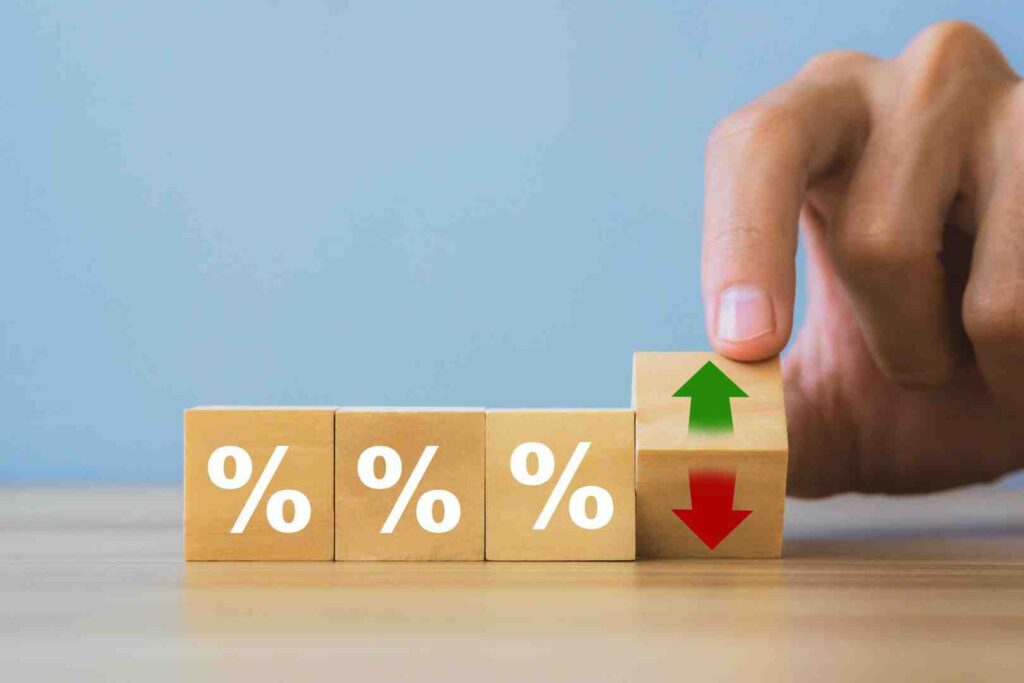
Understanding the Impact of Interest Rate Cuts on Commercial Real Estate is essential for any savvy investor. Interest rate cuts can mean lower borrowing costs, improved cash flow, and a boost in property values, but they also bring unique challenges.
Key Impacts:
Interest rate cuts are more than just financial tweaks; they reshape the commercial real estate landscape. When borrowing becomes cheaper, developers and investors leap at new opportunities, stimulating market activity and potentially pushing property values upward. However, this also ramps up competition and could lead to rising prices for prime assets.
I am Matt Morgan. With over 15 years of experience in commercial real estate at IPA, my focus is on Riverside commercial property for sale. My experience spans acquisitions, sales, and consulting, making me a trusted resource for navigating this promising market. Let me guide you through the complexities of the real estate market.

When interest rates drop, borrowing becomes cheaper. This is a game-changer for commercial real estate investors. Lower interest rates mean reduced debt service expenses, which directly improves a property’s Net Operating Income (NOI).
Example: Imagine you own a commercial property with an NOI of $60,000 and a loan costing you $35,000 annually. If interest rates drop and your annual loan cost decreases to $30,000, your NOI would increase to $65,000. This extra $5,000 in NOI can significantly boost your profitability.
Key Benefits:
The 10-year Treasury yield is often used as a benchmark for long-term interest rates. When the Federal Reserve cuts rates, the yield on these Treasuries usually drops too. This can narrow the spread between borrowing costs and potential returns.
Why It Matters: Lower yields on Treasuries make commercial real estate more attractive. Investors can achieve better returns compared to the relatively low yields on government bonds.
Example: If the 10-year Treasury yield is 1.5%, and your commercial property offers a yield of 2.5% after financing costs, the spread is 1%. This makes real estate a more appealing investment.
Strategic Adjustments:
Real-World Impact: A recent interest rate cut allowed investors in Phoenix to refinance properties, reducing their annual financing costs and boosting their cash flow. Over five years, these investors saw property values soar, doubling their initial investments.
When interest rates drop, it creates a ripple effect in the commercial real estate (CRE) market. Let’s explore how this impacts property values, market dynamics, and investment strategies.
Cap rates represent the ratio of a property’s net operating income (NOI) to its purchase price. When borrowing costs decrease, cap rates tend to compress, especially in high-demand markets. This is because more investors are willing to pay higher prices for properties, knowing they can secure cheaper financing.
Example: Consider a property generating $100,000 in NOI. If the cap rate is 6%, the property is valued at around $1.67 million ($100,000 / 0.06). If interest rates drop and cap rates compress to 5%, the same property could now be valued at $2 million ($100,000 / 0.05).
Key Benefits of Cap Rate Compression:
Lower interest rates present unique opportunities for strategic acquisitions and development projects.
Discounted Property Acquisitions: When rates fall, property values may initially lag behind the new borrowing environment. This creates a window where savvy investors can purchase properties at discounted prices before the market fully adjusts.
Example: An investor in the Inland Empire recently acquired a commercial property at a 10% discount, capitalizing on lower interest rates before the market caught up. This strategic move is expected to yield significant long-term returns.
Financing Development Projects: Reduced borrowing costs make it easier to finance new construction projects. This is particularly advantageous in high-demand sectors like multifamily housing and industrial spaces.
Example: Developers in Riverside, California, have launched new multifamily projects, leveraging lower interest rates to secure favorable financing. These projects are expected to meet rising demand and generate substantial returns upon completion.
Increased Market Activity: With cheaper financing, more investors enter the market, leading to heightened competition and faster property sales.
Real-World Impact: Following a recent rate cut, the commercial real estate market in Phoenix saw a surge in transactions. Investors quickly moved to lock in lower rates, driving up property values and intensifying market competition.
Long-Term Strategic Positioning: Acquiring properties or launching development projects during periods of low interest rates allows investors to position themselves advantageously for future market appreciation.
Key Strategies:
Understanding the impact of interest rate cuts on commercial real estate (CRE) is crucial for investors looking to steer the new financial landscape. Let’s dig into how to evaluate financing options and adjust investment strategies effectively.
When interest rates are cut, it opens up several financing opportunities that can benefit CRE stakeholders:
1. Refinancing Existing Loans:
Lower interest rates present an excellent opportunity to refinance existing loans. This can reduce debt service costs and improve cash flow.
Example: A property owner in Riverside recently refinanced a $2 million loan, reducing their interest rate from 5% to 3%. This move saved them $40,000 annually in interest payments.
2. Exploring Flexible Financing Structures:
Flexible financing structures, such as adjustable-rate mortgages (ARMs) or interest-only loans, can be attractive when rates are low.
Key Benefits:
3. Securing Fixed-Rate Loans:
Locking in fixed-rate loans during periods of low interest rates can protect against future rate hikes.
Strategy Tip: Investors should compare fixed and adjustable-rate options to determine the best fit for their financial plans.
Interest rate cuts can also influence investment strategies. Here’s how to adjust your approach:
1. Property Acquisition:
Lower borrowing costs make it easier to acquire new properties. Investors can leverage this to expand their portfolios.
Example: An investor capitalized on lower rates to purchase a commercial building in Riverside at a 15% discount, anticipating future property value appreciation.
2. Development Plans:
Reduced interest rates make financing new development projects more feasible. This is particularly beneficial in high-demand areas.
Example: Developers in the Inland Empire are launching new industrial projects, leveraging favorable financing to meet market demand.
3. Diversifying Investments:
Diversifying investment portfolios across different property types can spread risk and take advantage of various market segments.
Key Strategies:
Real-World Impact: Following a recent rate cut, the commercial real estate market in Phoenix saw a surge in transactions. Investors moved quickly to lock in lower rates, driving up property values and intensifying competition.
Interest rates have a direct impact on commercial real estate (CRE) by influencing borrowing costs. When interest rates are low, financing becomes cheaper. This makes it easier for investors to acquire properties, refinance existing loans, and undertake new development projects.
Competition for Properties: Lower interest rates often lead to increased competition for properties. More investors enter the market, driving up demand and property prices. This can make it more challenging to find good deals.
Negotiation Leverage: With more buyers in the market, sellers gain negotiation leverage. They can demand higher prices and better terms, knowing that buyers have access to cheaper financing.
When interest rates go down, several things happen in the real estate market:
Homebuyer Demand: Lower interest rates reduce monthly mortgage payments, making homeownership more affordable. This can lead to increased homebuyer demand.
Property Prices: As demand increases, property prices tend to rise. Investors and homebuyers are willing to pay more for properties, anticipating that the cost of borrowing will remain low.

Consumer Spending: Lower interest rates leave consumers with more disposable income. Instead of spending money on high-interest payments, they can invest in other areas, including real estate.
Borrowing Costs: Reduced interest rates lower the cost of borrowing for both consumers and businesses. This can stimulate economic activity as more people take out loans for various purposes, including real estate investments.
Interest rate cuts have several effects on consumers:
Increased Borrowing: Lower interest rates make loans more affordable. Consumers are more likely to take out mortgages, personal loans, and other types of credit.
Higher Consumer Spending: With lower monthly payments, consumers have more money to spend on goods and services. This can boost the overall economy and indirectly benefit the real estate market.
Investment in Real Estate: As borrowing costs decrease, more consumers consider investing in real estate. This can range from purchasing a home to investing in rental properties.
Economic Confidence: Lower interest rates can boost consumer confidence. When people feel optimistic about their financial situation, they are more likely to make significant investments, including in real estate.
By understanding these dynamics, investors and stakeholders can better steer the commercial real estate market during periods of interest rate cuts. This knowledge can help in making informed decisions and capitalizing on market opportunities.

Understanding the impact of interest rate cuts on commercial real estate (CRE) is crucial for making informed investment decisions. At IPA Commercial Real Estate, we leverage our extensive knowledge and experience to help our clients steer these changes effectively.
Interest rate cuts present both opportunities and challenges. Here’s how we help our clients strategically position themselves:
Personalized Service: We provide custom advice based on each client’s unique situation. This includes evaluating financing options, recommending strategic acquisitions, and offering guidance on development projects.
Market Knowledge: With over 30 years of experience in the Inland Empire commercial real estate market, we stay on top of market trends and economic indicators. This allows us to anticipate changes and advise our clients accordingly.
Value-Added Consulting: Beyond traditional brokerage services, we offer a broad range of consulting services. This includes asset management, property management, and development consulting. Our goal is to provide comprehensive support to ensure our clients’ success.
Interest rate cuts create several market opportunities:
Refinancing and Acquisition: Lower borrowing costs make refinancing existing loans and acquiring new properties more attractive. Investors can lock in lower rates, improving their cash flow and overall profitability.
Development Projects: Reduced financing costs can spur new development projects. This is especially beneficial in high-growth areas like the Inland Empire, where demand for commercial properties remains strong.
Competitive Advantage: By acting swiftly and strategically, our clients can gain a competitive edge in a more competitive market. We help them identify and capitalize on the best opportunities, whether it’s through discounted property acquisitions or innovative financing structures.
Interest rate cuts can significantly impact the CRE market, offering a wealth of opportunities for those prepared to capitalize on them. At IPA Commercial Real Estate, we are committed to helping our clients steer this dynamic landscape with confidence and agility.
For more information on how we can assist you in making knowledgeable investment decisions, visit our property services page.
By understanding the impact of interest rate cuts on commercial real estate, investors can make informed decisions and strategically position themselves to benefit from these market changes. Our team at IPA Commercial Real Estate is here to guide you every step of the way.


Property management monthly costs are crucial to real estate investors. Knowing the average costs helps you plan your budget and maximize returns on your properties. On average, these costs typically range from 8% to 12% of the monthly rent for percentage-based fees or $100 to $150 a month for flat-fee structures, depending on several factors like location, property size, and the extent of services needed.
Beginning your search for a reliable property management company involves looking into various fees that impact your bottom line. These might include hard costs, such as leasing and maintenance fees, and soft costs, like tenant screening and property inspections.
I am Matt Morgan. With over 15 years of experience in commercial real estate at IPA, my focus is on Riverside commercial property for sale. My experience spans acquisitions, sales, and consulting, making me a trusted resource for navigating this promising market. Let me guide you through the complexities of the real estate market.
Understanding the types of property management fees is essential for planning your investment budget. These fees are generally divided into hard costs and soft costs. Let’s break them down:
Hard costs are straightforward, fixed amounts that you can compare across different property management companies. They include:
Soft costs are less tangible but equally important. They involve the time and expertise required for effective property management. These include:
The leasing fee is a one-time charge when your property manager finds a new tenant. This fee typically ranges from 25% to 100% of one month’s rent. Make sure your contract includes a clause for fee reimbursement in specific scenarios, such as a tenant breaking the lease early.
The management fee is the primary ongoing expense. It usually ranges from 4% to 12% of the monthly rent, with 10% being the most common. Some companies might offer a flat fee, like $100 per month. The fee can vary based on the type of property, its size, and the services provided.
Maintenance fees cover routine upkeep and emergency repairs. These fees can be charged at an hourly rate, typically $20 to $45 per hour, or as a flat fee. Regular maintenance helps prevent costly repairs down the line.
A start-up fee is a one-time cost for setting up your property management account. This fee can range from $0 to $300 and covers the initial administrative work required to start managing your property.
Tenant screening involves background checks, credit checks, and employment verification to ensure reliable tenants. Property showings require time and effort to present your property to prospective tenants.
Rent collection ensures timely payments from tenants. Accounting and financial reporting provide you with detailed statements on your property’s income and expenses, helping you track your investment’s performance.
Regular property inspections ensure your property remains in good condition. Efficient tenant communication addresses tenant concerns promptly, fostering a positive landlord-tenant relationship.
Effective liability management reduces risks and ensures compliance with laws. Repair management oversees necessary repairs to maintain your property’s value.
Understanding the average monthly cost of property management is crucial for any property owner. The costs can vary based on the fee structure, property type, and services offered. Here, we’ll break down the three main types of management fees: percentage-based fees, flat fees, and per-project fees.
Percentage-based management fees are the most common method property managers use to charge for their services. Typically, these fees range from 8% to 12% of the monthly rent.
For example, if your property rents for $1,500 per month, you can expect to pay between $120 and $180 in management fees.
Key Considerations:
Flat-fee management offers simplicity by charging a fixed monthly fee regardless of the rent amount. The average flat fee typically ranges from $100 to $200 per month.
Factors Influencing Flat Fees:
Example: A single-family home might cost around $100 per month in management fees. Always ask for a detailed list of services included in the flat fee to ensure it meets your needs.
Per-project management is ideal if you only need help with specific tasks. Instead of a monthly fee, you pay for individual services as needed.
Examples of Per-Project Fees:
Considerations:
By understanding these fee structures, you can make an informed decision that aligns with your budget and property management needs.
On top of the standard management fees, there are several additional property management costs you need to be aware of. These fees can add up, so it’s important to understand what each one covers. Here’s a breakdown:
Setup fees are a one-time charge to get your property management account up and running. This fee typically ranges from $0 to $300.
Example: Some companies may charge $100 per unit to cover administrative costs.
Leasing fees are charged for finding and placing a new tenant. These fees usually range from 25% to 100% of one month’s rent.
Key Points:
Advertising fees cover the costs of marketing your property to potential tenants. These fees typically range from $100 to $200.
Details:
Lease renewal fees are charged when renewing a tenant’s lease. These fees usually range from $0 to $200.
Considerations:
Vacancy fees are charged when your property is unoccupied. Typically, this fee is around $50 per month.
Contract Terms:
A reserve fund fee is an ongoing charge to cover maintenance and day-to-day expenses. This fee generally ranges from $200 to $500.
Usage:
Maintenance fees cover the cost of routine upkeep and repairs. These fees can be charged at an hourly rate, typically ranging from $20 to $45 per hour.
Details:
Eviction fees are charged when a property manager handles the eviction process. These fees usually range from $200 to $500, plus any court costs.
Included Services:
If you fall behind on payments to your property management company, you may incur an unpaid property management fee. This fee is typically 1.5% of the invoice added monthly until the invoice is paid.
For late payments on property management services, you might be charged a late service payment fee. This fee usually ranges from 25% to 50% of the amount owed.
If you contract your property management company to handle bill payments like mortgage, insurance, HOA, or utilities, you will likely pay a bill payment fee.
If a check bounces, either from you or a tenant, expect a returned check fee. This fee is typically $35 or more.
Understanding these additional costs can help you budget more accurately and avoid unexpected expenses.
When considering the average monthly cost of property management, several factors come into play. These factors can significantly influence how much you will end up paying. Let’s break them down.
Location is a major determinant of property management costs. Urban areas with high demand, like city centers, typically have higher fees due to the complexity of managing properties in dense environments. Conversely, rural or less populated areas may see lower fees.
The type of property you own also affects management costs. Single-family homes are generally easier to manage than multifamily buildings. Managing a multifamily property involves dealing with multiple tenants, which requires more coordination and effort.
Property management companies offer various services, and the range of services you choose will impact the cost. Basic services like rent collection and maintenance might come at a lower fee, while comprehensive services including tenant screening, property inspections, and legal compliance will cost more.
Different property management companies have different pricing structures and service offerings. Some may charge a flat fee, while others use a percentage-based model. It’s important to compare companies to find one that fits your needs and budget.
Market conditions also play a crucial role. In markets with high competition among property managers, fees might be more competitive. In smaller markets with fewer management companies, fees can be higher due to limited options.
Understanding these factors will help you better steer the costs associated with hiring a property management company.
Hiring a property management company can be a game-changer for landlords. While costs are a consideration, the benefits often outweigh the expenses. Here’s why:
Time is money. Managing a property involves a lot of time-consuming tasks, from handling maintenance requests to dealing with tenant issues. A property management company takes over these responsibilities, freeing up your time for other important activities.
A good property management company can help increase your return on investment (ROI). They ensure your property stays rented, collect rent on time, and manage expenses efficiently. Their expertise can lead to higher occupancy rates and better tenant retention.
Professional management means your property is in good hands. Property managers bring industry knowledge and experience to the table. They know how to market your property, screen tenants, and handle legal issues, ensuring your property is well-maintained and profitable.
Happy tenants are more likely to stay longer and take care of the property. Property management companies focus on tenant satisfaction by responding promptly to maintenance requests and ensuring the property is in good condition. This reduces turnover and vacancy rates.
Regular property maintenance is crucial for preserving the value of your investment. Property managers conduct routine inspections and schedule necessary repairs, ensuring the property remains in top condition.
Navigating landlord-tenant laws can be tricky. Property management companies are well-versed in legal compliance and ensure that your property adheres to all local, state, and federal regulations. This reduces the risk of legal issues and potential fines.
Hiring a property management company can lead to significant benefits, from saving time to increasing your ROI.
The average monthly cost of property management can vary based on several factors such as location, property type, and the range of services provided. Generally, property management companies charge either a percentage of the monthly rent or a flat fee.
To calculate the annual cost of hiring a property manager, you can use the monthly fees and multiply by 12:
That these figures can vary based on additional fees such as leasing fees, maintenance fees, and other charges outlined in your property management contract.
The services covered by the property management fee can vary but generally include:
Some companies may offer a la carte services for additional fees, allowing landlords to customize the level of service they receive.
By understanding these common questions, landlords can make informed decisions about hiring a property management company and anticipate potential costs.
At IPA Commercial Real Estate, we pride ourselves on offering personalized service and value-added consulting. Our extensive knowledge and experience in the real estate industry ensure that our clients receive the best possible management for their properties. We focus on hands-on problem solving and provide a broad range of services to meet your specific needs.
By choosing IPA Commercial Real Estate, you benefit from:
For more information on how we can help manage your property, visit our Property Management Services page.
By partnering with a reputable property management company like IPA Commercial Real Estate, you can save time, increase your return on investment, and ensure your property is well-maintained and compliant with all regulations.

Commercial property investment tips can significantly improve your chance of achieving substantial returns on your investment. Here are some quick answers to get you started:
Bullet Points:
Investing in commercial property offers higher rewards compared to residential investments. With longer lease tenures and regular tenant maintenance, commercial properties can be a lucrative asset. However, this venture isn’t without risks. Careful analysis and research are vital for a wise investment.
I am Matt Morgan. With over 15 years of experience in commercial real estate at IPA, my focus is on Riverside commercial property for sale. My experience spans acquisitions, sales, and consulting, making me a trusted resource for navigating this promising market. Let me guide you through the complexities of the real estate market.

When diving into commercial real estate, it’s crucial to grasp the market dynamics, property types, and investment strategies. This knowledge forms the backbone of successful investments.
The commercial real estate market differs significantly from the residential market. Here’s how:
Understanding these dynamics helps investors make informed decisions and spot opportunities.
Commercial real estate can be categorized into five main types:
Each property type has its own set of advantages and challenges, so choosing the right one depends on your investment goals and risk tolerance.
Effective investment strategies can make or break your commercial real estate venture. Here are some key strategies:
Combining these strategies can help diversify your portfolio and mitigate risks.
Understanding these aspects of commercial real estate sets the stage for making profitable investments. Stay tuned for more tips on navigating this exciting market.
Starting in commercial real estate can seem daunting, but breaking it down into manageable steps makes it achievable. Here’s how to get started.
Investing in a single commercial property is a straightforward way to enter the market. This involves purchasing a property and managing it yourself.
Key Characteristics:
Example: Many successful investors, like Paul Getty, started with single-family rentals before moving to commercial properties. This approach provides a solid foundation and understanding of property management.
REITs are companies that own or finance income-producing real estate. Investing in REITs allows you to earn dividends without directly managing properties.
Benefits:
Tip: When choosing a REIT, look for a strong track record and a diversified portfolio to reduce risk.
Crowdfunding pools funds from multiple investors to purchase commercial properties. This method allows you to invest with less capital compared to buying a property outright.
Advantages:
Caution: Always research the crowdfunding platform’s track record. Understand your rights and obligations, including withdrawal policies.
When evaluating commercial properties, consider these factors to ensure a good investment:
Starting in commercial real estate investing involves understanding these options and characteristics. Whether you choose to invest in a single property, REIT, or through crowdfunding, each path offers unique benefits and challenges.
Evaluating commercial properties involves understanding several key metrics that help determine the potential profitability and risk of an investment. Let’s break down the most important ones: Net Operating Income (NOI), Cap Rate, Cash on Cash, and Rental Yields.
Net Operating Income (NOI) is a critical metric that calculates the profitability of a property by subtracting operating expenses from gross operating income.
Formula:
[ \text{NOI} = \text{Gross Operating Income} – \text{Operating Expenses} ]
Example: If a property generates $100,000 in gross income and has $40,000 in operating expenses, the NOI would be $60,000.
Why It Matters: A positive NOI indicates that the property is generating more income than it costs to operate, making it a potentially profitable investment.
The Capitalization Rate (Cap Rate) is used to estimate the return on investment for income-producing properties. It’s the ratio of NOI to the property’s purchase price.
Formula:
[ \text{Cap Rate} = \left( \frac{\text{NOI}}{\text{Property Value}} \right) \times 100 ]
Example: If a property has an NOI of $60,000 and is valued at $1,000,000, the Cap Rate would be 6%.
Why It Matters: Cap Rates help investors compare the profitability of different properties. A higher Cap Rate generally indicates a higher risk and potential return, while a lower Cap Rate suggests lower risk and return.
Cash on Cash Return measures the annual return on the cash invested in a property. This is especially useful for investors who finance their purchases.
Formula:
[ \text{Cash on Cash Return} = \left( \frac{\text{Annual Pre-Tax Cash Flow}}{\text{Total Cash Invested}} \right) \times 100 ]
Example: If you invest $200,000 of your own money and the property generates $20,000 in annual pre-tax cash flow, your Cash on Cash Return would be 10%.
Why It Matters: This metric helps investors understand the return they are getting on their actual cash investment, taking into account mortgage payments and other financing costs.
Rental Yield is a measure of the income generated from a property as a percentage of its value. There are two types: Gross Rental Yield and Net Rental Yield.
Gross Rental Yield Formula:
[ \text{Gross Rental Yield} = \left( \frac{\text{Annual Rental Income}}{\text{Property Value}} \right) \times 100 ]
Net Rental Yield Formula:
[ \text{Net Rental Yield} = \left( \frac{\text{Annual Rental Income} – \text{Expenses}}{\text{Property Value}} \right) \times 100 ]
Example: For a property valued at $500,000 with annual rental income of $50,000 and annual expenses of $10,000, the Gross Rental Yield is 10% and the Net Rental Yield is 8%.
Why It Matters: Rental Yields provide a quick snapshot of the income potential of a property relative to its value, helping investors assess the attractiveness of a deal.
Understanding these key metrics is crucial for making informed decisions in commercial property investment. They provide a clear picture of a property’s financial performance and potential returns, helping you identify profitable opportunities and avoid costly mistakes.
When diving into commercial real estate, calculating the Return on Investment (ROI) is crucial. It helps you understand the profitability of your investment. Let’s break down the key components: Gross Yield, Net Yield, and Financial Aspects.
Gross Yield is the annual income generated by a property before any expenses are deducted, expressed as a percentage of the property’s value.
Formula:
[ \text{Gross Yield} = \left( \frac{\text{Annual Rental Income}}{\text{Property Value}} \right) \times 100 ]
Example: If a property is worth $1,000,000 and generates $100,000 in annual rental income, the Gross Yield would be 10%.
Why It Matters: Gross Yield provides a quick snapshot of the income potential of a property. It helps investors compare different properties at a glance.
Net Yield takes the gross income and subtracts all operating expenses, giving a more accurate picture of the investment’s profitability.
Formula:
[ \text{Net Yield} = \left( \frac{\text{Annual Rental Income} – \text{Operating Expenses}}{\text{Property Value}} \right) \times 100 ]
Example: If the same property generates $100,000 in annual rental income but has $20,000 in operating expenses, the Net Yield would be 8%.
Why It Matters: Net Yield reflects the actual return on investment after accounting for costs, making it a more reliable metric for assessing profitability.
Before investing, you need to get your finances in order. Here are some key financial aspects to consider:
Talk to banks and private lenders about your investment budget. Banks typically require legitimate financial statements and evidence that the business will generate profits.
Net Operating Income (NOI): This is calculated by subtracting all operating expenses from gross operating income. It helps lenders assess the property’s profitability.
Cap Rate: This ratio of NOI to property value helps estimate future profits. A higher Cap Rate usually indicates higher risk and potential return.
Set aside a portion of your budget to cover unexpected expenses. This could include early vacancies, renovations, or hiring a new property manager.
Typical Budget: A typical cost contingency budget in commercial investing is between 5% and 15%.
Why It Matters: Planning for these costs ensures you have the funds to handle unexpected situations, avoiding cash flow issues.
In addition to cost contingencies, set aside a capital reserves fund for unexpected expenses later on. This fund is built into your operating budget.
Why It Matters: Having cash reserves helps you manage unforeseen costs, ensuring the sustainability of your investment.
Consider a commercial property in Denver valued at $2,000,000 with an annual rental income of $200,000 and operating expenses of $40,000.
Gross Yield:
[ \left( \frac{\$200,000}{\$2,000,000} \right) \times 100 = 10\% ]
Net Yield:
[ \left( \frac{\$200,000 – \$40,000}{\$2,000,000} \right) \times 100 = 8\% ]
Why It Matters: These calculations show that the property has a strong income potential, making it a promising investment.
Understanding these metrics and financial aspects helps you make informed decisions and maximize your returns in commercial real estate.
When diving into commercial property investment, understanding the local market, economic conditions, and demographics is key to making informed decisions. Let’s break down these critical factors.
Local market conditions can make or break your investment. To get started, examine the following:
Example: In Riverside, California, the heart of the Inland Empire, commercial real estate has seen significant growth. This region has a thriving economy and increasing demand for commercial spaces, making it an attractive investment spot.
Economic conditions play a crucial role in the success of your investment. Here’s what to consider:
Example: According to CBRE, the shift to hybrid work models has stabilized office space demand, even as more companies accept work-from-home policies. This trend highlights the importance of understanding economic shifts and their impact on commercial real estate.
Demographics provide insights into the potential customer base and workforce availability in the area. Key demographic factors include:
Example: Assessing the demographics in areas like New York and San Francisco can guide you in choosing the right type of commercial property. With a mix of middle-class and upper-middle-class families, these areas are ideal for restaurants, convenience stores, and consultancy firms.
Consider a commercial property in a busy urban area with high foot traffic and proximity to major transport hubs. This location is likely to attract businesses looking for visibility and accessibility.
Why It Matters: Understanding the local market, economic conditions, and demographics helps you identify the best locations for investment, ensuring higher occupancy rates and better returns.
Finding the right commercial property requires more than just luck. You need a keen eye and a solid strategy. Here are some essential tips to help you recognize a good deal.
A successful investor always has an exit strategy. This means knowing when and how to walk away from a deal if it doesn’t meet your financial goals.
Example: A seasoned investor might spot a property with minor structural issues but in a prime location. They negotiate a lower price, knowing they can fix the issues and sell at a higher value later.
Motivated sellers are gold mines. These are individuals eager to sell below market value due to personal circumstances or financial pressures.
Example: Imagine finding a seller going through a divorce who needs to liquidate assets quickly. They might accept a lower offer, giving you a property below market value.
Neighborhood farming involves studying specific areas to understand their potential.
Example: In Riverside, California, commercial real estate has boomed. By attending open houses and talking to local business owners, you can identify hot spots with high demand and low vacancy rates.
Why It Matters: Knowing how to spot a good deal can save you money and increase your returns. Always have an exit strategy, look for motivated sellers, and farm neighborhoods to find the best opportunities.
Starting on a journey in commercial real estate can be both exciting and daunting. Understanding the risks and rewards is crucial for making informed decisions and achieving profitable ventures.
Vacancy rates are a critical metric in commercial real estate. They indicate the percentage of all available units in a rental property that are vacant at a given time. High vacancy rates can significantly impact your bottom line.
Example: In busy cities like New York, commercial spaces in prime locations often have lower vacancy rates, ensuring a steady flow of rental income.
Tenant turnover refers to the rate at which tenants move in and out of your property. High turnover can be costly and time-consuming.
Example: A property owner with multiple retail spaces might face high turnover if the businesses fail to thrive. On the other hand, securing a long-term lease with a well-known brand can ensure consistent income.
Property maintenance is an ongoing responsibility that can affect your profitability.
Example: An office building with outdated facilities may struggle to attract tenants. Investing in modern upgrades can improve its appeal and justify higher rental rates.

Commercial real estate offers both risks and rewards. Here’s how to balance them:
Quote: “Effective property management and thorough market research are key to balancing risks and maximizing rewards in commercial real estate.” – Expert Investor
By understanding and managing these risks, you can position yourself for success in the commercial real estate market.
When diving into commercial property investment, certain strategies can help you steer the complexities and optimize your returns. Here are some crucial commercial property investment tips to consider:
Diversification is a key strategy in any investment portfolio, and commercial real estate is no exception. Spread your investments across different property types (like offices, retail spaces, and industrial properties) and various locations to reduce risk.
Example: An investor with a mix of office spaces, retail shops, and warehouses is better positioned to weather economic shifts compared to one with all investments in a single sector.
Long-term leases offer stability and predictability in income, which is particularly valuable in commercial real estate.
Example: A commercial property owner with a 10-year lease agreement with a reputable corporation enjoys consistent rental income, even during economic downturns.
Tax benefits can significantly improve the profitability of your commercial property investments. Two key tax advantages are depreciation and the 1031 exchange.
Quote: “Given the prospect for outsized profits, consistent yields, volatility hedges, and unique tax benefits, more quants are expected to enter the market this year.” – Julian Goldie, CEO of Goldie Agency
By implementing these strategies, you can maximize your returns and minimize risks in commercial property investment.
When you’re new to commercial real estate, partnering with seasoned investors can make a world of difference. Experienced investors bring mentorship, networking opportunities, and professional insights that can guide you through the complexities of the market.
Mentorship is invaluable for novice investors. A seasoned mentor can offer critical advice and share lessons learned from their own experiences.
Example: Imagine you’re considering a multifamily property investment. A mentor who has successfully handled multiple such deals can provide insights on tenant management, financing options, and market trends, helping you avoid costly mistakes.
Networking within the commercial real estate community opens doors to opportunities and resources you might not find on your own.
Example: By attending a local real estate investment club meeting, you might meet a contractor who specializes in commercial property renovations. This connection could save you time and money on your next project.
Professional insights from experienced investors can help you make better investment decisions aligned with your long-term financial goals.
Quote: “The best investment you can make is in yourself. The more you learn, the more you’ll earn.” – Warren Buffett
Case Study: Consider an investor who partnered with a veteran in the field to purchase a retail property. The experienced partner identified a prime location with high foot traffic and helped negotiate favorable lease terms with tenants. As a result, the investment yielded a higher-than-expected return.
By leveraging the knowledge and networks of experienced investors, you can significantly improve your chances of success in commercial real estate.
Managing a commercial property can be time-consuming and complex. Hiring a property manager can help streamline daily operations, ensuring your investment runs smoothly. Here’s how a property manager can add value:
Property managers handle the day-to-day tasks that keep your property running efficiently.
Example: A property manager can quickly address a broken HVAC system, coordinating repairs and minimizing tenant disruption.
Efficient rent collection is crucial for maintaining a steady cash flow.
Insight: “A good property manager is like a good accountant – essential for the financial health of your investment.”
Case Study: Consider an investor who struggled with late rent payments. After hiring a property manager, rent collection became more consistent, improving cash flow and reducing stress.
Effective communication with tenants is key to maintaining good relationships and high occupancy rates.
Example: A tenant has a noise complaint. The property manager addresses the issue quickly, ensuring the tenant’s satisfaction and preventing potential disputes.
Hiring a property manager can relieve you of the operational burdens of managing a commercial property. They handle daily operations, rent collection, and tenant communications, allowing you to focus on strategic investment decisions.
The profitability of a commercial property largely depends on market conditions, location, and property management. However, some types of commercial properties tend to yield higher returns:
Fact: According to Investopedia, commercial property returns range between 9% and 12% annually, which is higher than the average for single-family residential properties.
A good Return on Investment (ROI) for commercial property varies based on the investor’s risk tolerance, market conditions, and financial goals. Generally, a good ROI for commercial properties is:
Example: If you purchase a commercial property for $1,000,000 and it generates $100,000 in annual net operating income (NOI), the cap rate would be 10%, indicating a good ROI.
The best return on investment for commercial property depends on the strategy and type of property. Here are some strategies that can yield high returns:
Statistic: Commercial property investments can offer returns between 9% and 12% annually, outperforming many other investment types.
Investing in commercial real estate can be a lucrative venture, but it requires careful planning, market knowledge, and a strategic approach. At IPA Commercial Real Estate, we understand the complexities of the commercial property market and are dedicated to helping you steer it successfully.
Our commitment to providing personalized service ensures that every client receives custom advice and support. Our team’s experience in brokerage, asset management, and consulting allows us to offer a wide range of value-added services that go beyond traditional real estate transactions.
Why Choose IPA Commercial Real Estate?
Whether you’re a seasoned investor or just starting, partnering with us means you’ll benefit from our deep market insights and hands-on problem-solving approach. We measure our success by the success of our clients, and we’re committed to helping you achieve your investment goals.
Ready to take the next step in your commercial property investment journey? Contact us today to learn how we can help you achieve profitable ventures.
By leveraging our expertise and personalized service, you can confidently steer the commercial real estate market and capitalize on lucrative opportunities. Let’s work together to turn your investment ambitions into reality.